
This blog may contain affiliate links. Read our disclosure policy for more info.
Planning a trip to Patagonia? Let us be your guide!
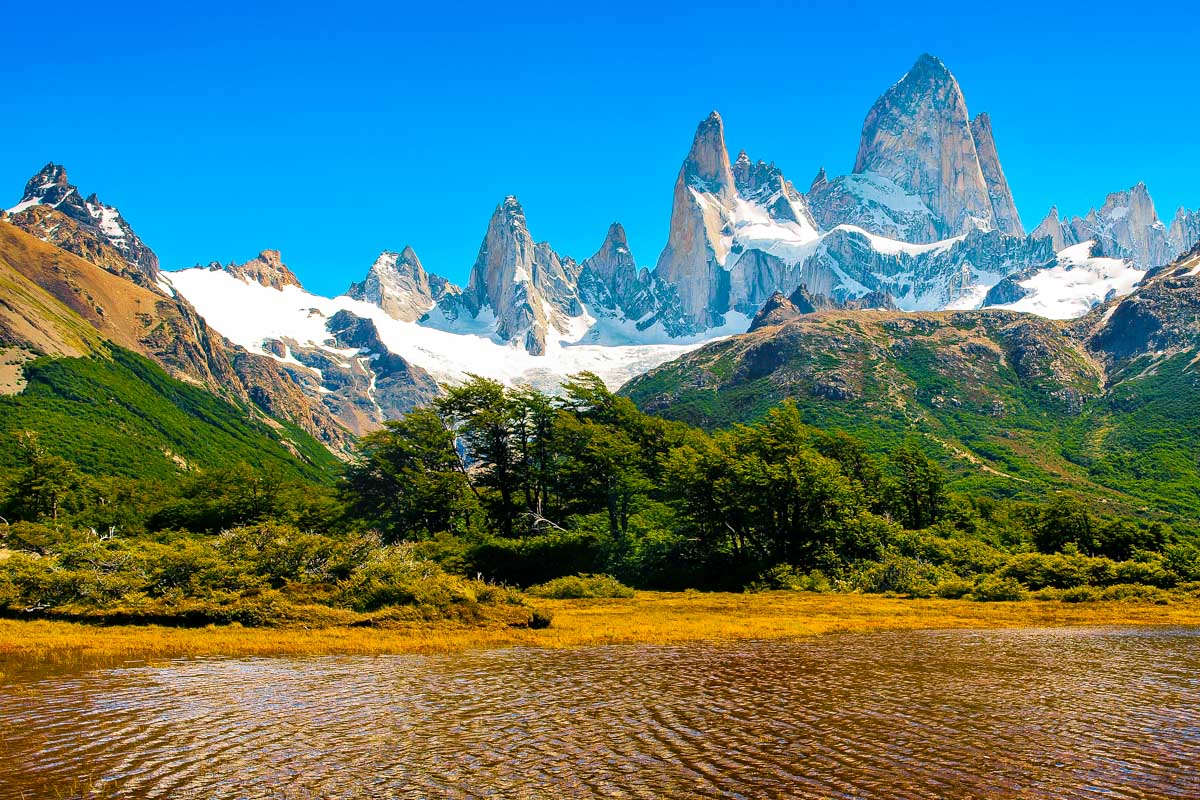
Patagonia is a land of towering granite peaks, vast windswept plains, electric-blue glaciers, and trail-filled mountain towns that feel like the edge of the world. Stretching across southern Chile and Argentina, this region is rugged, remote, and unbelievably beautiful—perfect for travelers seeking wild landscapes and unforgettable adventures.
After exploring Patagonia across multiple trips, we’ve crafted the ultimate 2-week itinerary that blends iconic highlights with flexible days for weather, wildlife, and spontaneous discoveries. From Santiago’s markets and penguin-filled shores to Torres del Paine’s valleys and the Perito Moreno Glacier, each stop reveals a new side of this region’s wild beauty.
Let’s dive into the ultimate Patagonia adventure!
Don’t Miss Out On Our Top Choice!
The tour we loved the most and suggest booking ASAP is this one!
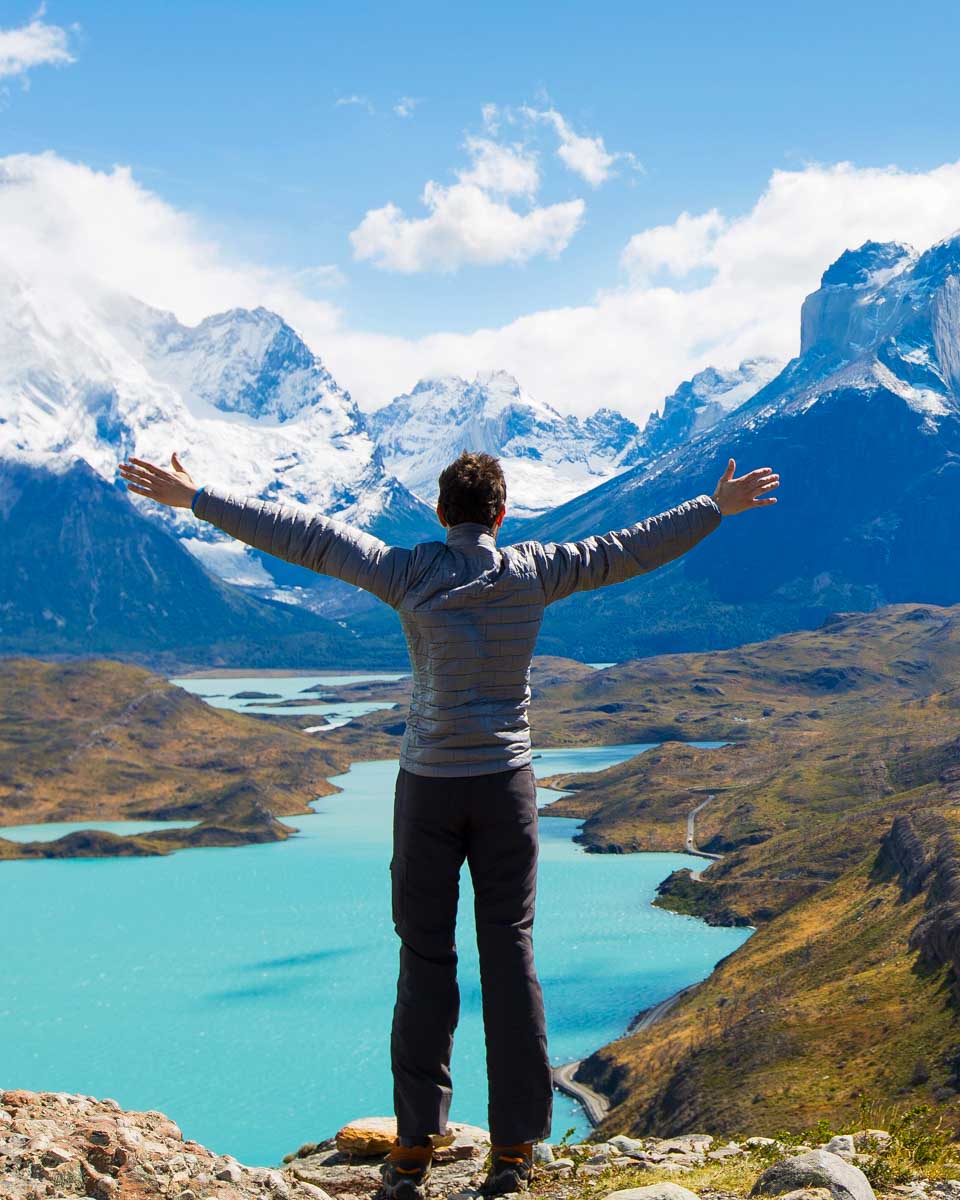
Our personal FAVORITE thing we did was this full-day tour to Torres del Paine National Park! This is where you’ll experience jagged granite towers, electric-blue lakes, and massive glaciers that Patagonia is so famous for – it simply can’t be missed!
- Don’t Miss Out On Our Top Choice!
- Itinerary Overview
- Day 0 – Arrive in Santiago
- Day 1 – Full Day in Santiago
- Day 2 – Fly to Punta Arenas + explore
- Day 3 – See the best of Punta Arenas’ wildlife
- Day 4 – Travel to Puerto Natales + Prep day
- Days 5–9 – Torres del Paine National Park
- Day 10 – Travel to El Calafate
- Day 11 – Visit the Perito Moreno Glacier
- Day 12 – Travel to El Chaltén
- Day 13 – Hike the legendary Laguna de los Tres Trail
- Day 14 – Head back to El Calafate
- Day 15+ – Onward travel
- Thanks for reading!
- Planning your Trip to Patagonia
- AIRALO e-SIM Up To 15% Off With Code "DTRAVEL15"
- What’s an eSIM?
Itinerary Overview


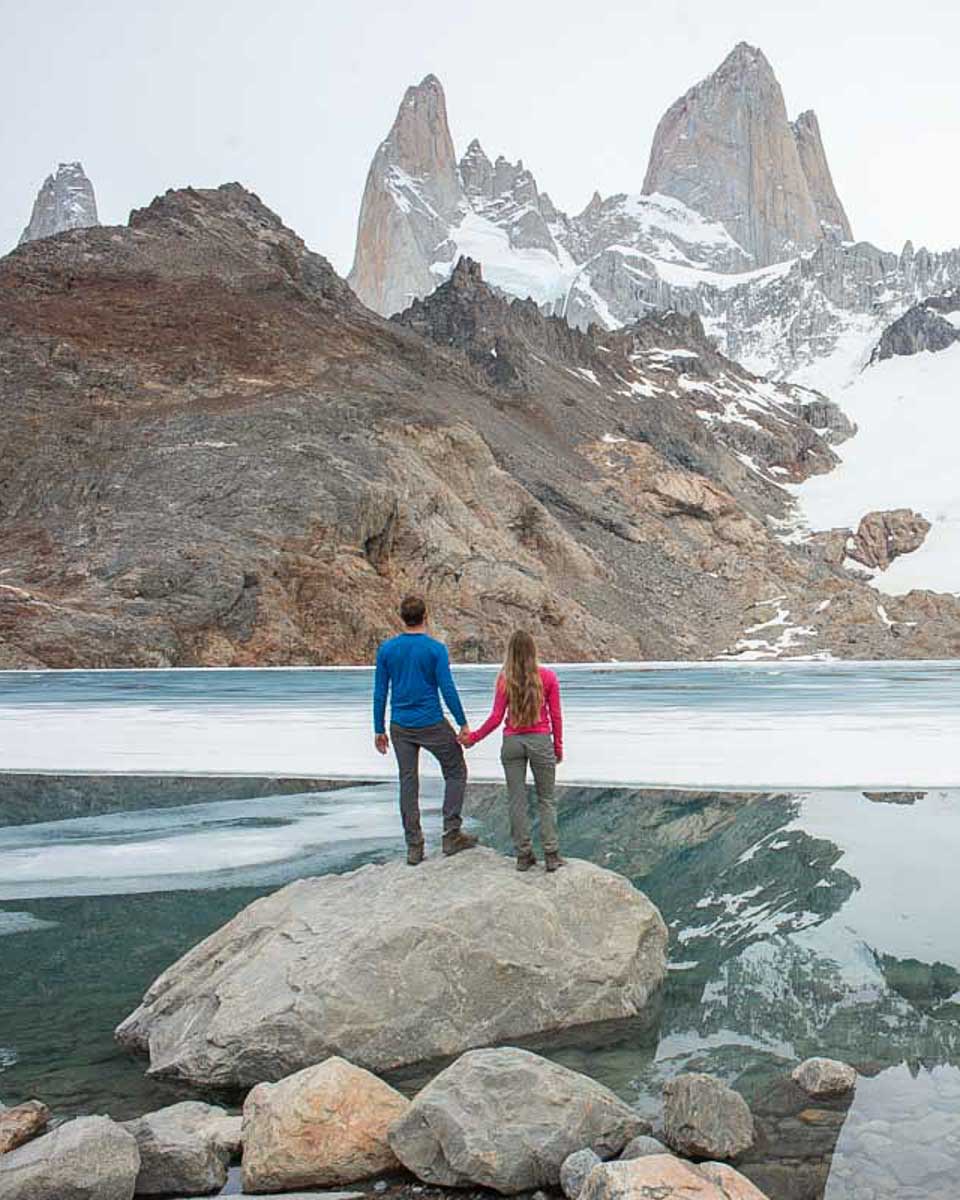
Two weeks in Patagonia is the perfect amount of time to experience its famous peaks, glaciers, and wide-open landscapes while still enjoying slower days in small towns and wildlife-filled valleys. This itinerary splits your time between Chile and Argentina and follows a logical route from Santiago to Punta Arenas, into Torres del Paine, and then across the border to El Calafate and El Chaltén.
Patagonia is massive, so travel days are part of the experience, comprising flights, buses, tours, and exploring on foot. The weather is also unpredictable, which is why this itinerary includes a bit of built-in flexibility in case tours shift or get cancelled. The middle section is easy to adapt based on your interests: you can commit to the full W Trek in Torres del Paine or stay in comfortable hotels and join guided day hikes instead.
No matter how you shape it, this two-week route gives you a balanced mix of iconic adventures and easier days to simply enjoy being in one of the most breathtaking regions in the world.
Here’s a quick breakdown of how to spend two weeks in Patagonia:
Day 0: Arrive in Santiago and ease into Chile at your own pace. After a long international flight, settle into your hotel, wander a nearby neighborhood like Providencia or Las Condes, enjoy a relaxed dinner, and rest up for the journey south.
Day 1: Spend a full day getting to know Santiago. Choose between a lively bike tour through the city’s iconic markets or a private sightseeing tour covering major historic landmarks and panoramic viewpoints. Enjoy a low-key evening before your Patagonia adventure officially begins.
Days 2–3: Fly to Punta Arenas and explore the southernmost city on the continent. Walk the waterfront promenade, visit local museums, and soak in Strait of Magellan views. The next day, choose between walking among thousands of Magellanic penguins on Isla Magdalena or joining a full-day marine safari in Francisco Coloane Marine Park to spot whales, dolphins, and sea lions.
Day 4: Travel by bus to Puerto Natales, the gateway to Torres del Paine. Spend the afternoon strolling the fjordside boardwalk, sampling local craft beer at Baguales, trying traditional Patagonian lamb, and prepping gear and supplies for the days ahead.
Days 5–9: Discover Torres del Paine—either by hiking the legendary 5-day W Trek or exploring the park through comfortable day trips from Puerto Natales: panorama tours, glacier cruises, and iconic hikes like Mirador Las Torres fill these days with world-class scenery. Days 8 and 9 also serve as flex days for weather, rescheduling tours, or repositioning time later in the trip.
Days 10–11: Cross into Argentina and settle into El Calafate. Visit a local museum, admire the colorful town signs, or stop by Laguna Nimez Reserve for birdwatching. The next day, explore the viewpoints of the Perito Moreno Glacier with an expert guide or independently if you prefer a self-guided visit.
Days 12–13: Travel to El Chaltén, Argentina’s trekking capital. Visit the National Park Visitor Center, sample pastries at Mathilda, or enjoy handmade pasta at Maffia Trattoria. The next day, tackle the legendary Laguna de los Tres on a guided hike for jaw-dropping views of Fitz Roy, or head up self-guided if you’d rather move at your own pace.
Day 14: Return to El Calafate for a relaxed final evening. Browse artisanal markets, enjoy a comforting dinner at Pura Vida, and treat yourself to Patagonian Chocolate ice cream at Acuarela before packing for your flight.
Day 15+: Fly onward to Buenos Aires or Santiago to connect with your international flight. If you have unused flex days, stay an extra night or two—especially in Buenos Aires, where a Palermo walking food tour offers one of the best deep-dive introductions to Argentina’s cuisine and culture.
Day 0 – Arrive in Santiago
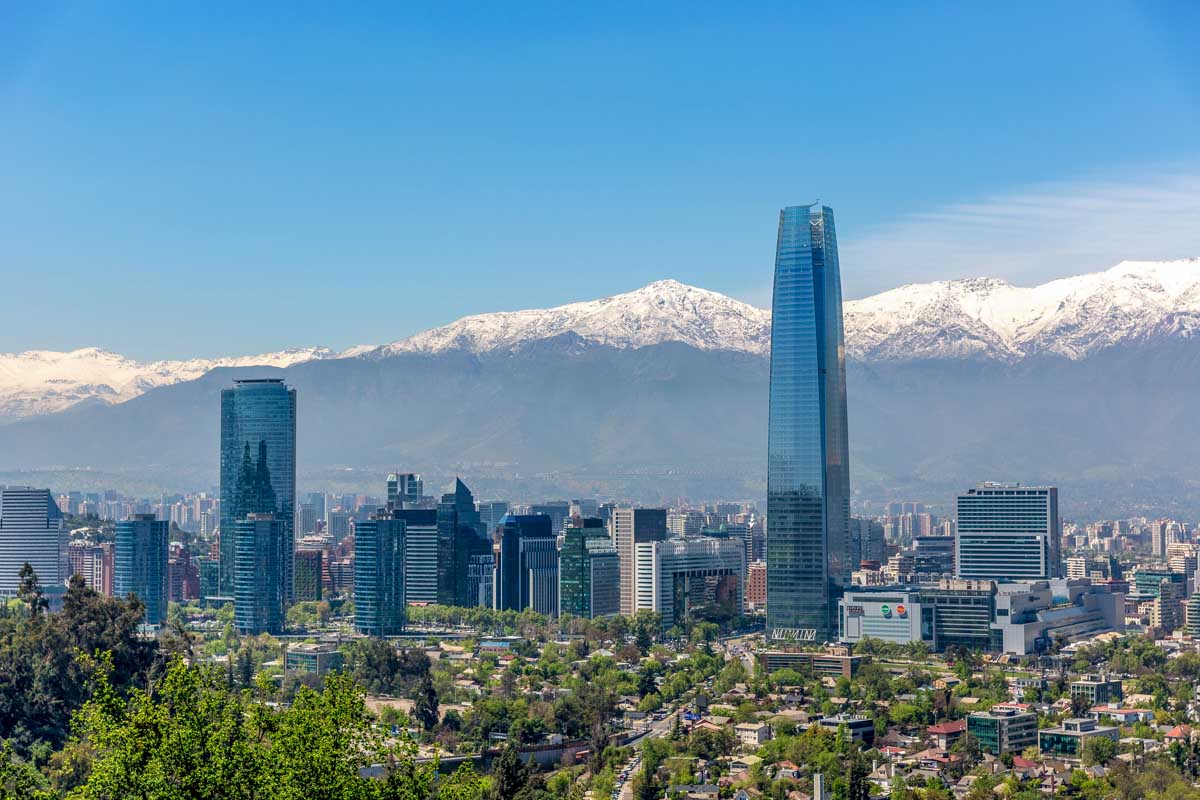
Your Patagonia adventure begins with an easy arrival day in Santiago. Most long-haul flights from North America and Europe land in the evening or even late at night, so it’s best to keep things simple today. After a full day of travel, the only real goal is to get to your hotel, grab a light bite nearby, and settle in for a good night’s sleep before the journey south begins.
If you arrive earlier in the afternoon, you can ease into Chile at a slower pace. A gentle walk around a nearby neighborhood like Providencia and Las Condes is especially nice for first-time visitors. It gives you a feel for the city without requiring much effort. Stop for a coffee, stretch your legs, and enjoy a relaxed dinner with a glass of Chilean wine before calling it a night.
Because flights can be delayed and jet lag hits differently for everyone, avoid planning anything structured today. Treat your arrival day as your reset day so you’re fresh and ready for the adventure ahead.
Where to stay in Santiago


Santiago is quite a sprawling city, so staying in a central location is essential! We loved the Providencia neighborhood, as it’s well-connected to public transportation, and there’s so much to do in this neighborhood itself. Plan on spending two nights here!
Luxury – $$$
If you want sleek design and zero-fuss convenience, the AC Hotel by Marriott Santiago Cenco Costanera nails it. Being close to the Costanera Center complex means shopping and casual eats are just moments away. It’s an easy, polished base that lets you rest before your big adventure. You’ll find rates here starting around $140 and going up to $450 USD per night, depending on the room – book it in advance here!
Mid-range – $$
Solace Hotel Santiago blends boutique style with practicality in one of Providencia’s best spots. The rooms are warm and modern, breakfast is included, and it’s located close to the Pedro de Valdivia station, making it easy to get around town. Rooms here typically range from $95 to $230 USD per night, depending on the dates and room type. Book your stay here on Booking.com!
Budget – $
The Almasur Providencia is a smart choice if you want a clean, comfortable base in Providencia without the higher price points. Rooms are bright and unfussy, and the location is perfect: close to the metro and surrounded by easy dining! Prices range from $195 to $200 USD per night and can be reserved on Booking.com.
Day 1 – Full Day in Santiago
Today is your chance to properly explore Santiago before heading south into Patagonia. Spending a full day here not only helps ease any lingering jet lag but also gives you a deeper appreciation of Chilean culture, food, and history—a perfect contrast to the remote landscapes you’ll encounter later on. To make the most of your time, we’ve included two fantastic tour options depending on how you like to explore.
Option 1: Experience Santiago’s markets on a bicycle tour




If you love food, local culture, and a bit of movement, this three-hour market bike tour is a fantastic way to kick off your trip. Starting at 9:30 am, you’ll cycle roughly 6.5 kilometers (4 miles) with a local guide who leads you through some of Santiago’s most iconic markets, including the Central Seafood Market, La Vega Central, and Tirso Molina.
It’s a fun, low-pressure ride suitable for most fitness levels, making it an easy activity even if you’re still shaking off a bit of jet lag.
While food isn’t officially included, your guide knows exactly where to stop, so you’ll still get to sample fresh Chilean flavors and chat with vendors—especially helpful if your Spanish is limited. Bikes, helmets, and a small snack are all provided, and the convenient start/finish point near Plaza Mori makes it easy to fit this into day one of your Patagonia itinerary.
It’s a lively, sensory introduction to Santiago and an easy way to feel immersed in daily life here. With hundreds of glowing reviews, it’s clear this experience is a traveler’s favorite.
Book this popular small-group bike tour here before spots fill up!
Option 2: Discover Santiago’s top sights with a local




For a deeper dive into the city’s history and architecture, this five-hour private sightseeing tour is a great alternative. Multiple departure times are available, but we recommend the 10 am start so you can enjoy a slow morning before meeting your guide.
This tour covers major highlights like Plaza de Armas, the Metropolitan Cathedral, and the colorful Bellavista neighborhood. You’ll also get valuable context about Chile’s past and present, which adds so much meaning to the places you’ll see later in the trip.
Because it’s private, your guide tailors the experience to your interests, making it ideal for first-time visitors who want a personalized introduction to the city.
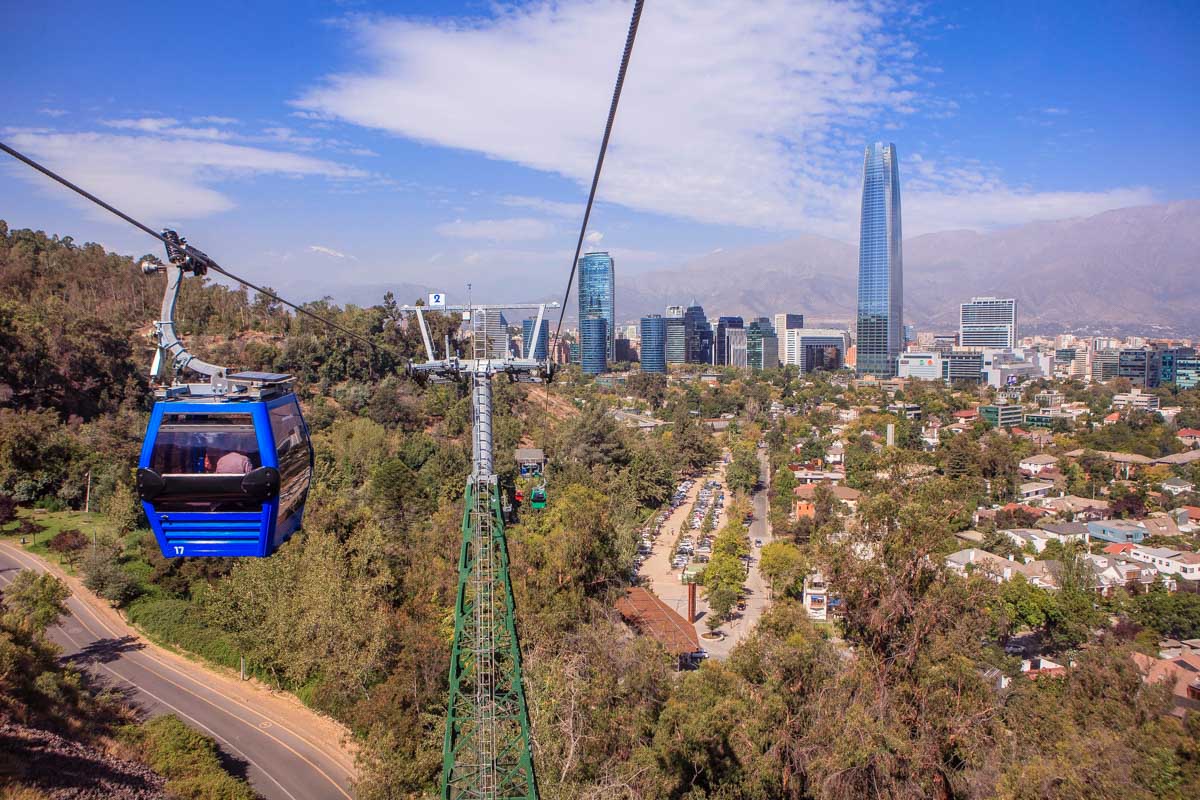
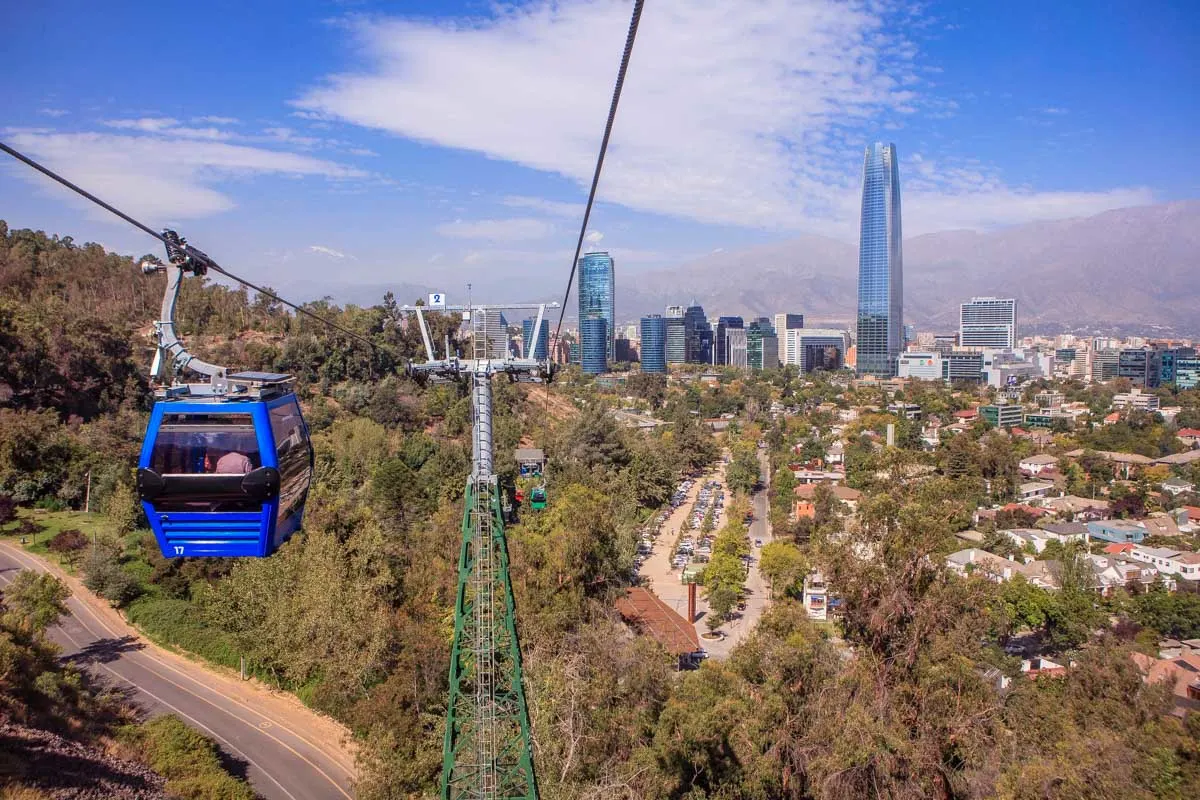
A standout moment is the ride up Cerro San Cristóbal on the cable car. From the top, the views stretch across Santiago to the snowcapped Andes—an unforgettable sight and one of the city’s essential stops. The pace is relaxed, yet you’ll see a lot in just a few hours, which is perfect for a one-day visit before continuing your Patagonia adventure.
Check availability and book this private sightseeing tour here!
Whether you join a tour on two wheels or explore Santiago’s icons with a local, you’ll still have time later in the day to rest, wander a bit more on your own, or get organized for the journey south. If you’d like more ideas for how to spend your time here, be sure to check out our full guide to the best things to do in Santiago here!
Day 2 – Fly to Punta Arenas + explore



Today is a travel day followed by a relaxed afternoon of sightseeing. Catch a morning or midday flight from Santiago to Punta Arenas—flights are frequent, affordable, and the airport is very easy to navigate. As a major hub for Torres del Paine, Antarctica, and the wider Patagonia region, Punta Arenas is a natural starting point for southern adventures.
Set along the Strait of Magellan and home to about 120,000 people, it’s the largest city this far south. Many travelers pass through quickly, but it’s a place full of charm, from windswept waterfront views to colorful streets and a lively brewery scene. Spending a little time exploring today is a great way to ease into Patagonia before the bigger adventures begin.
Once you’ve checked in, spend the afternoon getting familiar with the town. The major draw in Punta Arenas is the chance to see penguins or visit Isla Magdalena, but that comes later—today is all about relaxing and exploring at your own pace.
Here are some of the best things to do this afternoon in Punta Arenas:
- Walk the waterfront promenade – The waterfront promenade is perfect for a slow stroll, offering wide views of the Strait of Magellan and several interesting monuments, including the Maritime Monument honoring the region’s early settlers.
- Try a local craft brewery – Patagonia’s pure water has helped turn it into a craft beer hotspot. Two great places to try local brews are Cervecería Hernando de Magallanes and Bar Bulnes, both pouring their own beers. It’s the perfect way to unwind after a day of travel and get a taste of local life.
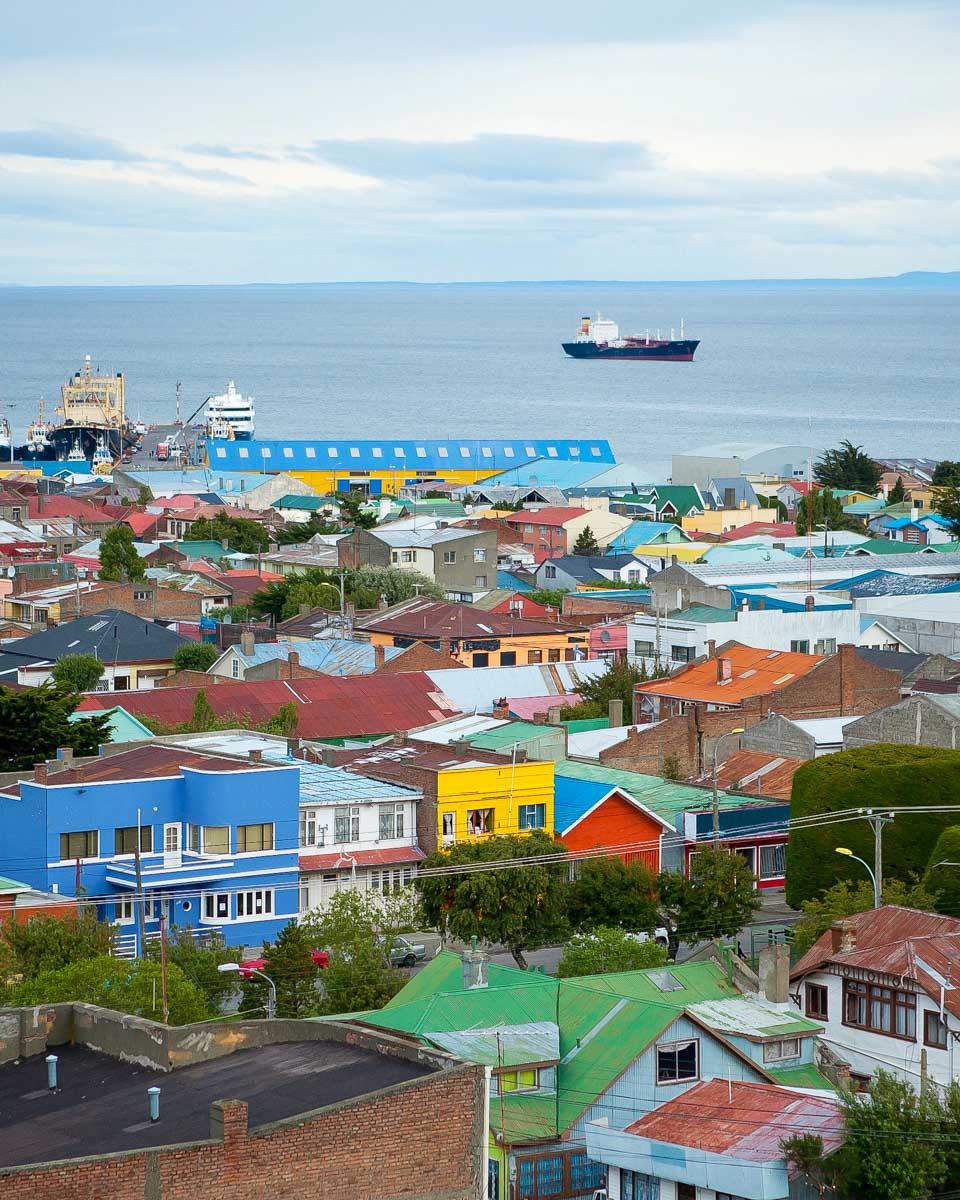
- Walk up to Mirador Cerro de la Cruz – Just 15 minutes from Plaza de Armas, this lookout offers a panoramic view over the colorful rooftops of Punta Arenas and out to the strait. It’s an easy walk and especially beautiful at sunset. Search “Cerro de la Cruz” on Google Maps to find the trail.
- Visit a museum – Punta Arenas has several museums worth visiting, with the Nao Victoria Museum being the most popular. It features full-scale ship replicas and exhibits on early exploration and the Strait of Magellan’s maritime history. It’s a short taxi ride from downtown, but if you do go on a city tour, a stop at the maritime museum is often included.
After your strolls, viewpoints, or a cold local beer, take the evening to rest and get organized for tomorrow. The real adventure kicks off early in the morning, so this is a great time to stock up on snacks, water, and anything else you’ll need for the journey deeper into Patagonia.
If you find yourself with some extra time, check out our top things to do in Punta Arenas blog for more inspiration.
Where to stay in Punta Arenas
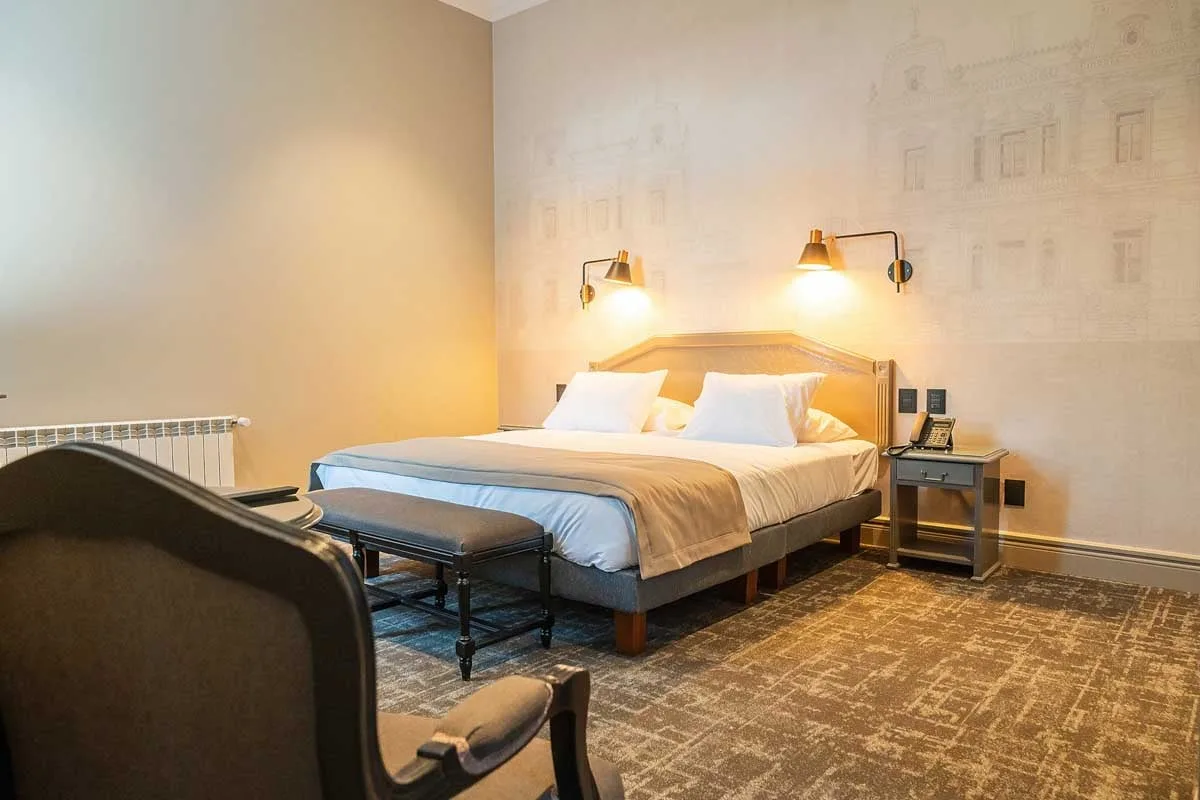
We will be spending two nights in Punta Arenas, but luckily, there are tons of different places to stay! Here are a few of the best hotels for every budget based on customer service, location, and value for money.
Luxury – $$$
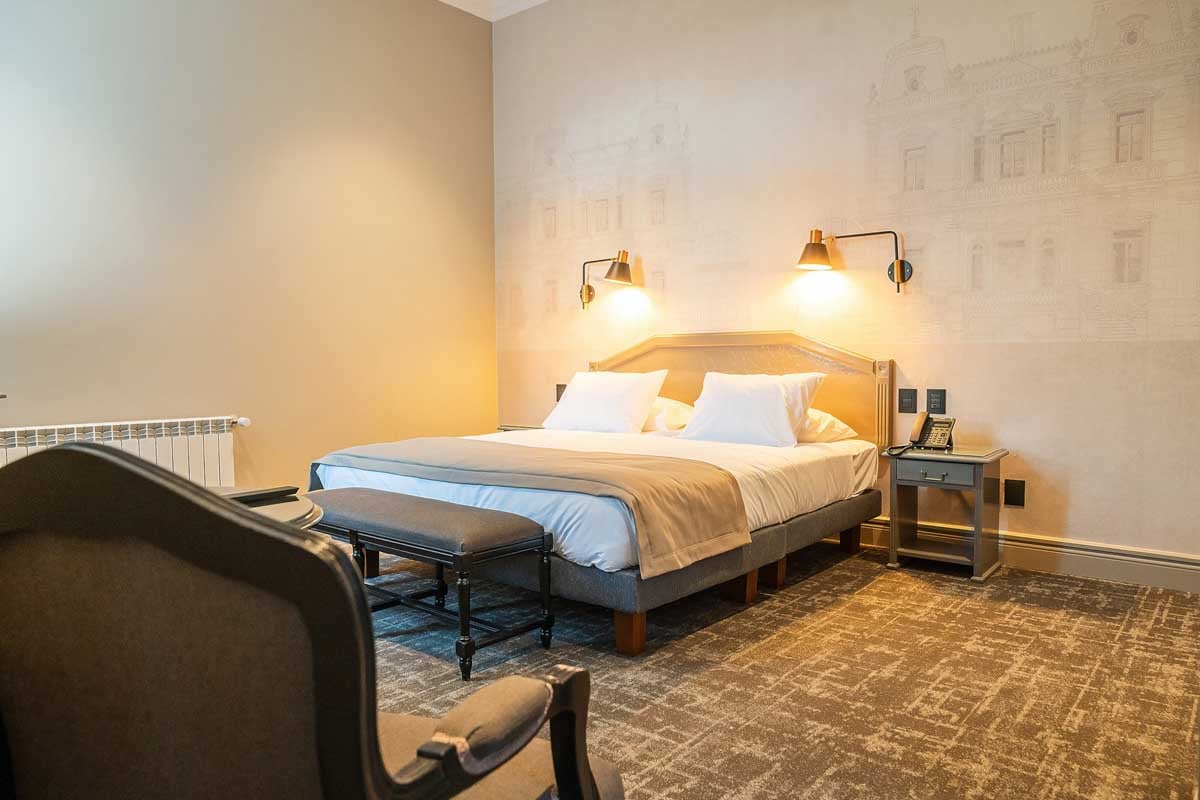
Hotel Jose Nogueira is a historic and beautiful hotel in Punta Arenas, within walking distance of many shops and restaurants. The rooms are huge and cozy, and the on-site bar and restaurant are the perfect place to relax and enjoy during the evenings. Rooms are about $192 USD per night and can be reserved on Booking.com.
Mid-range – $$
Almasur Punta Arenas is the hotel for you if you like amenities and being just a couple of minutes from the main square! The rooms are modern, comfortable, and very clean, and they provide a delicious buffet breakfast and an on-site restaurant. All this for just around $139 USD a night! Check availability and reserve your room on Booking.com.
Budget – $
Haiken Hostel offers private rooms with private external bathrooms, plus a delicious breakfast! There is also a spacious shared kitchen; it’s super clean, and the 24/7 front desk does everything in its power to help guests whenever possible. Private rooms start around $55 USD and can be booked on Booking.com.
Day 3 – See the best of Punta Arenas’ wildlife
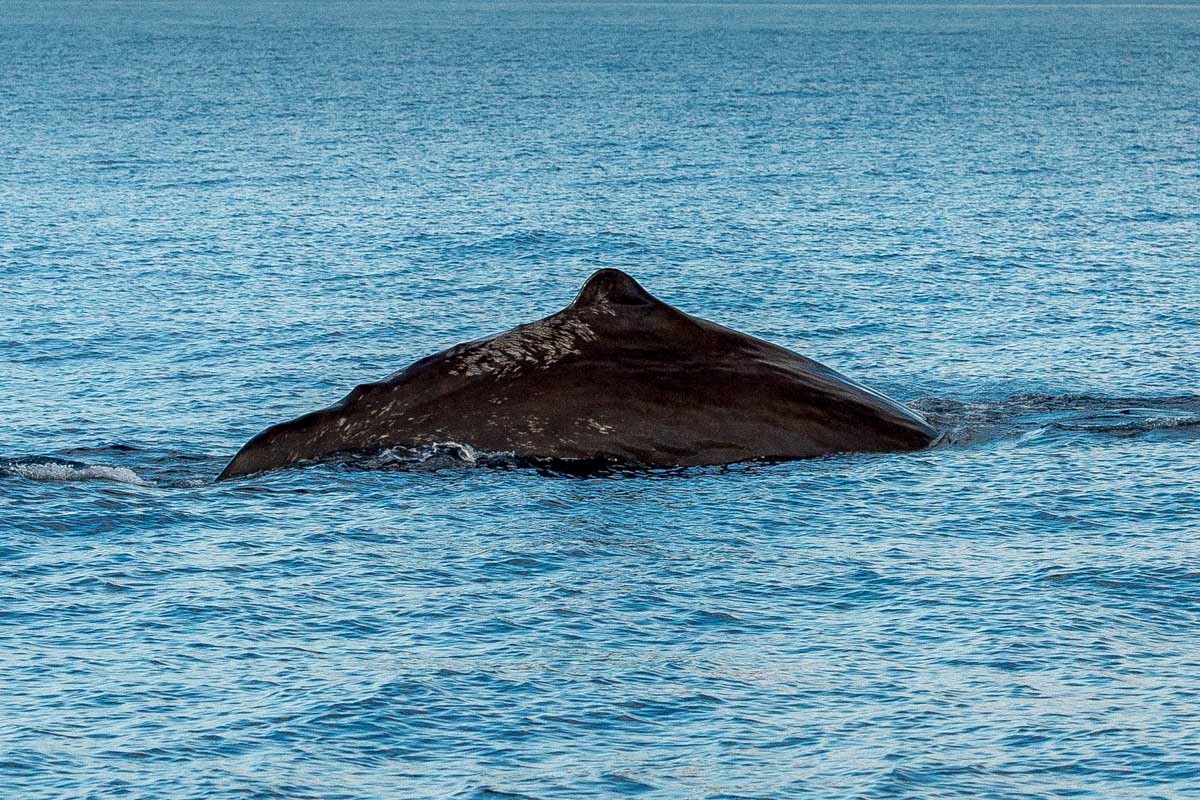
With a full day in Punta Arenas, today is all about experiencing the wildlife that makes this region so special. Penguins, whales, dolphins, sea lions—this corner of Patagonia is home to some of the most unique marine species in the world. To help you make the most of your time, we’ve included two fantastic tour options depending on what excites you most: a penguin-focused adventure or a full-day marine safari with whales and more.
Option 1: Meet the famous Patagonian penguins
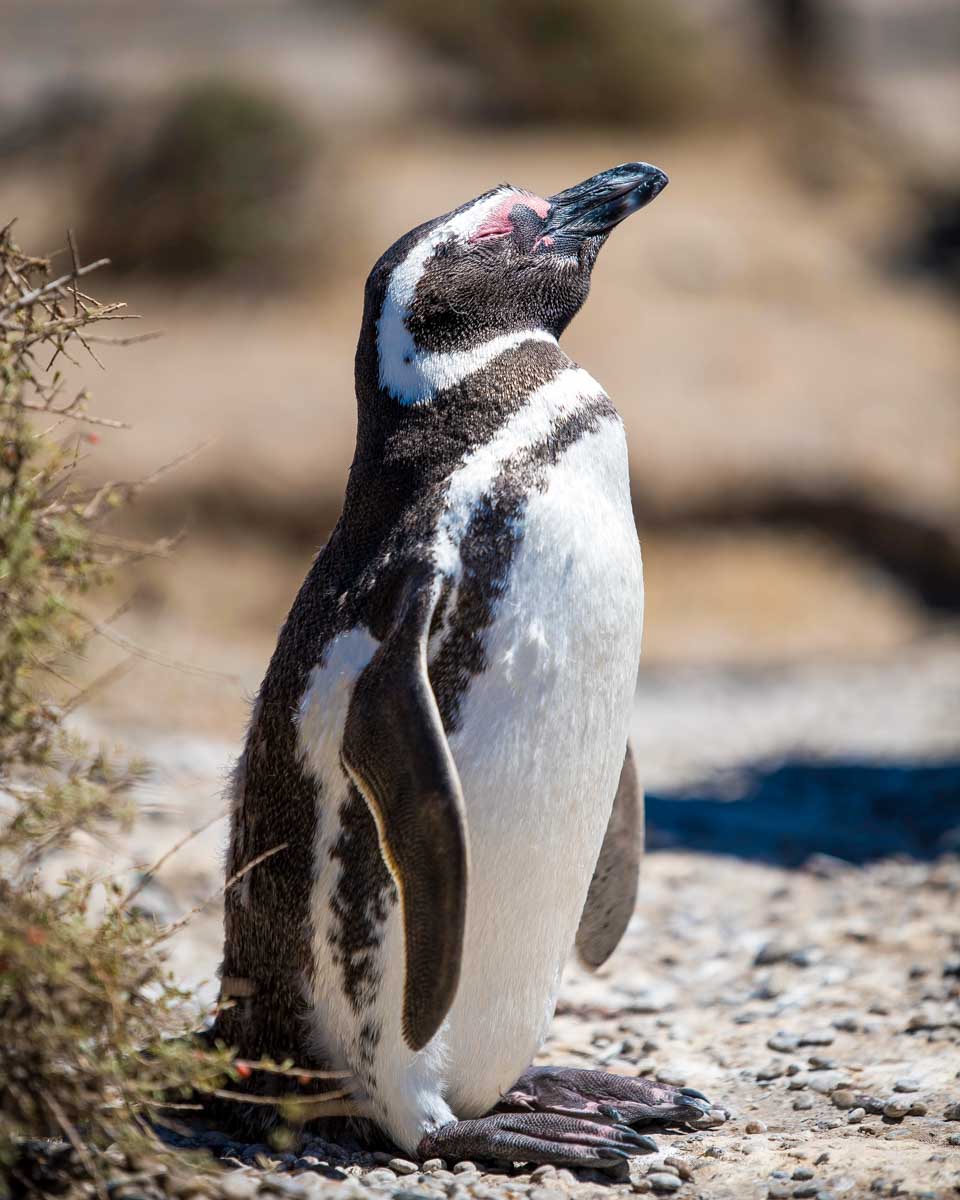
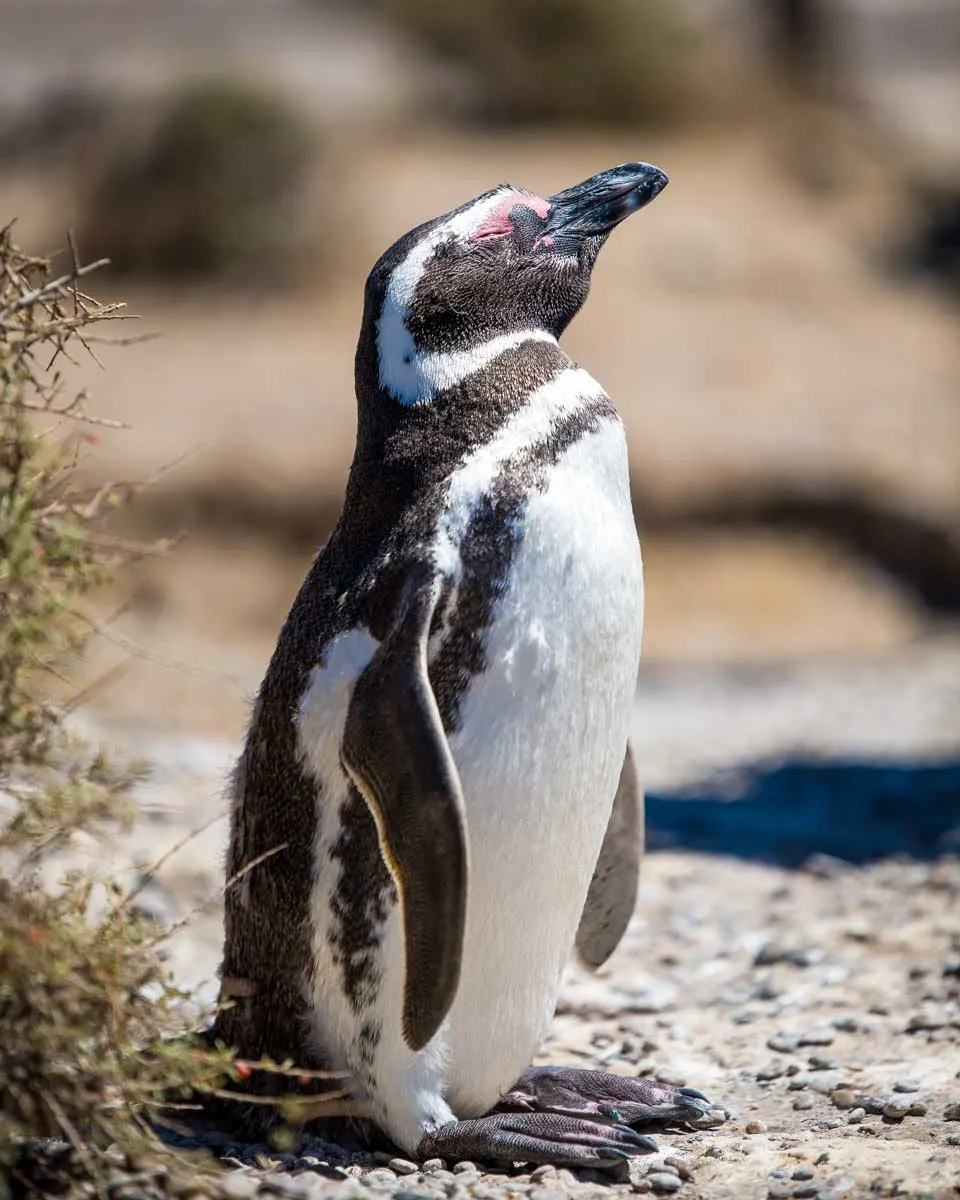
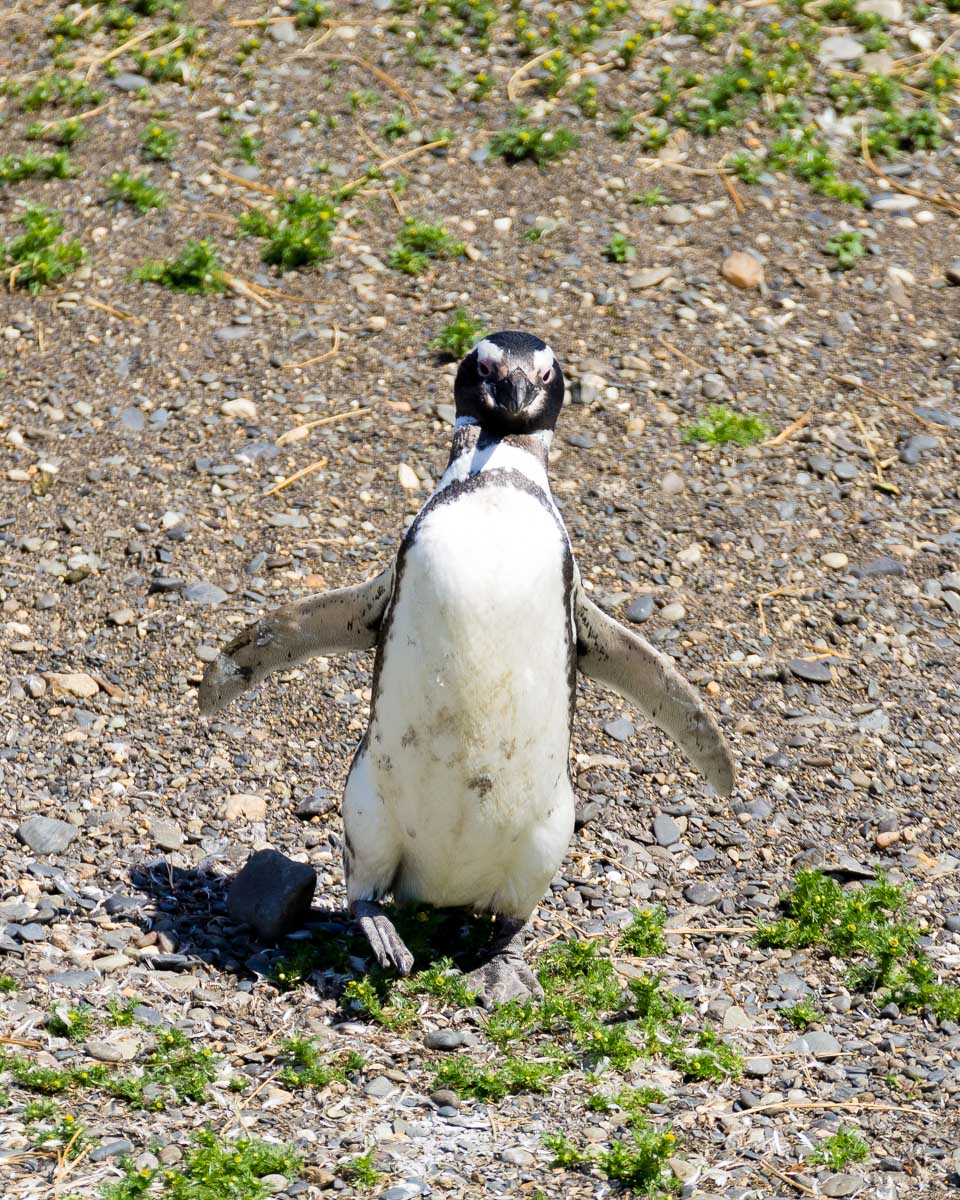
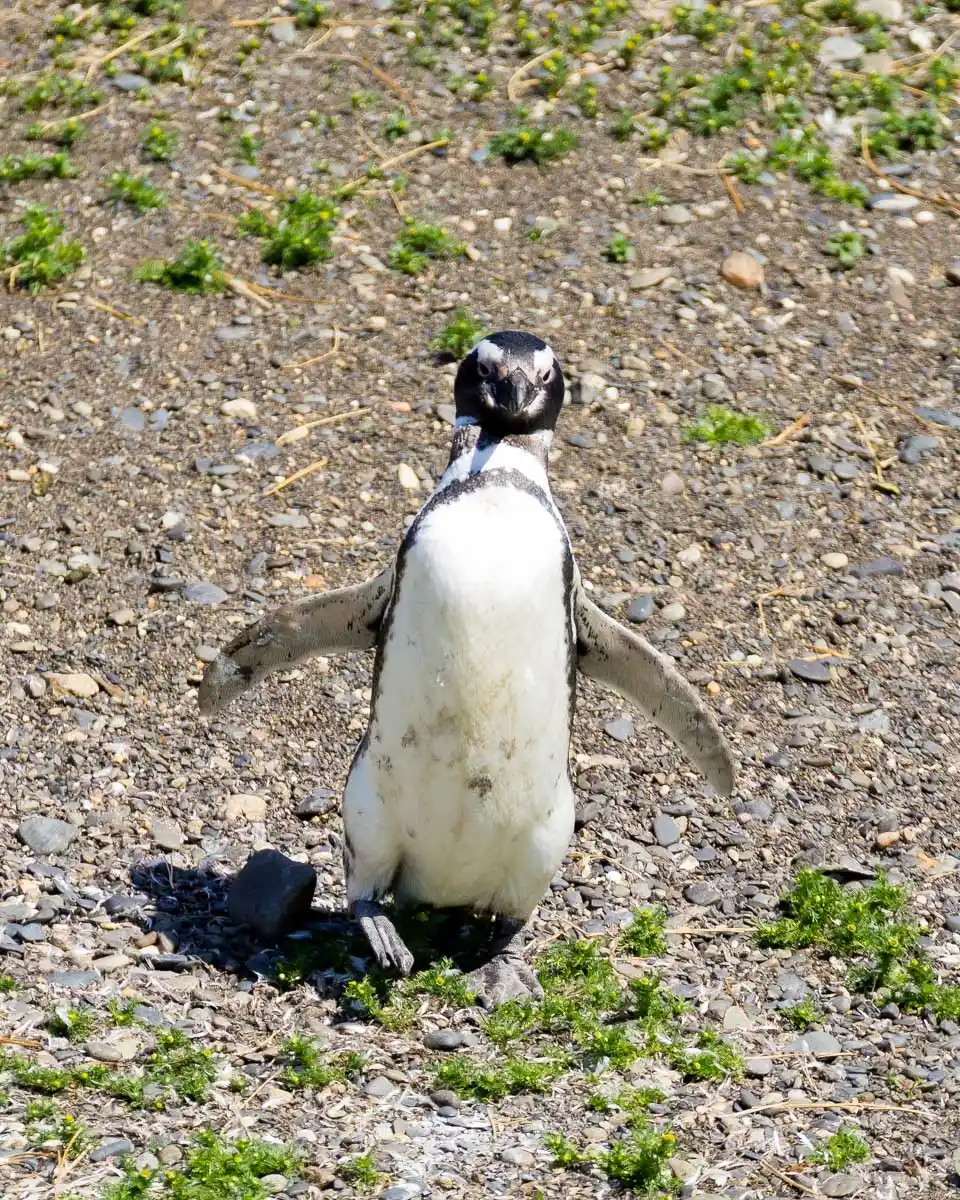
If penguins are at the top of your Patagonia bucket list (and they should be!), this Isla Magdalena tour is hands-down the best choice. The island sits about 35 kilometers (22 miles) off the coast and is home to more than 150,000 Magellanic penguins—an incredible number that makes sightings almost guaranteed. This organized tour is the easiest way to visit, since the public ferry is slow, sporadic, and pricey.
Meet the tour group downtown Punta Arenas at 6:30 am sharp – don’t worry, the early morning is worth it!
Your journey begins with a scenic boat ride out to the island before landing and following clearly marked paths among the penguin colonies. Strict rules ensure both visitor safety and wildlife protection, but you’ll still get wonderfully close-up views as the penguins waddle, preen, and interact all around you. Guides share fun facts along the way, and you may even spot sea lions, cormorants, and other bird species during the crossing.
Because the tour begins early in the morning, you’ll catch the penguins at their most active—and the entire experience only takes about half a day, wrapping up at 11:30 am, leaving free time afterward to enjoy more of Punta Arenas. You can refer to the list from day two to fill your afternoon!
Check availability and book this popular penguin tour here!
Option 2: See whales, dolphins, penguins, and more on a day cruise
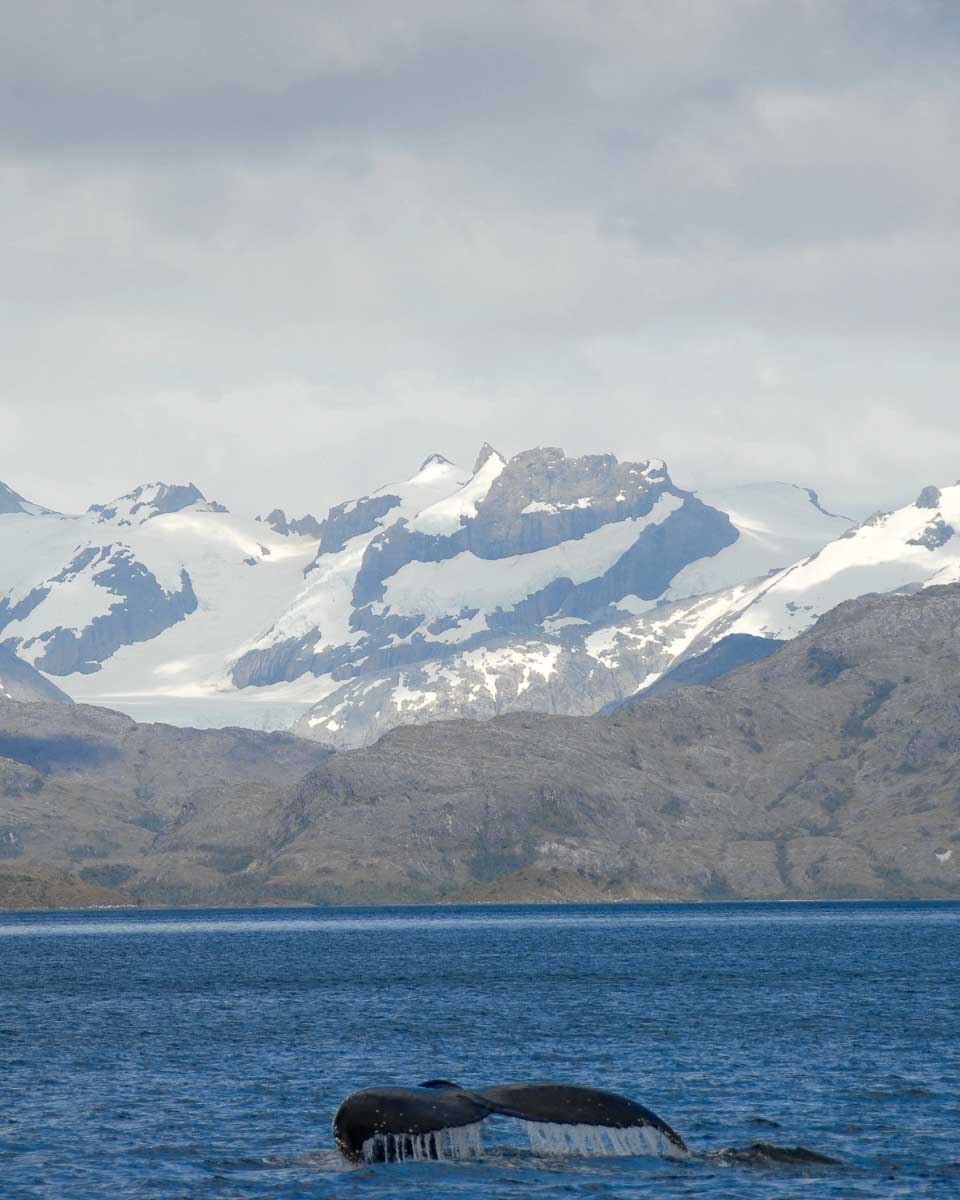
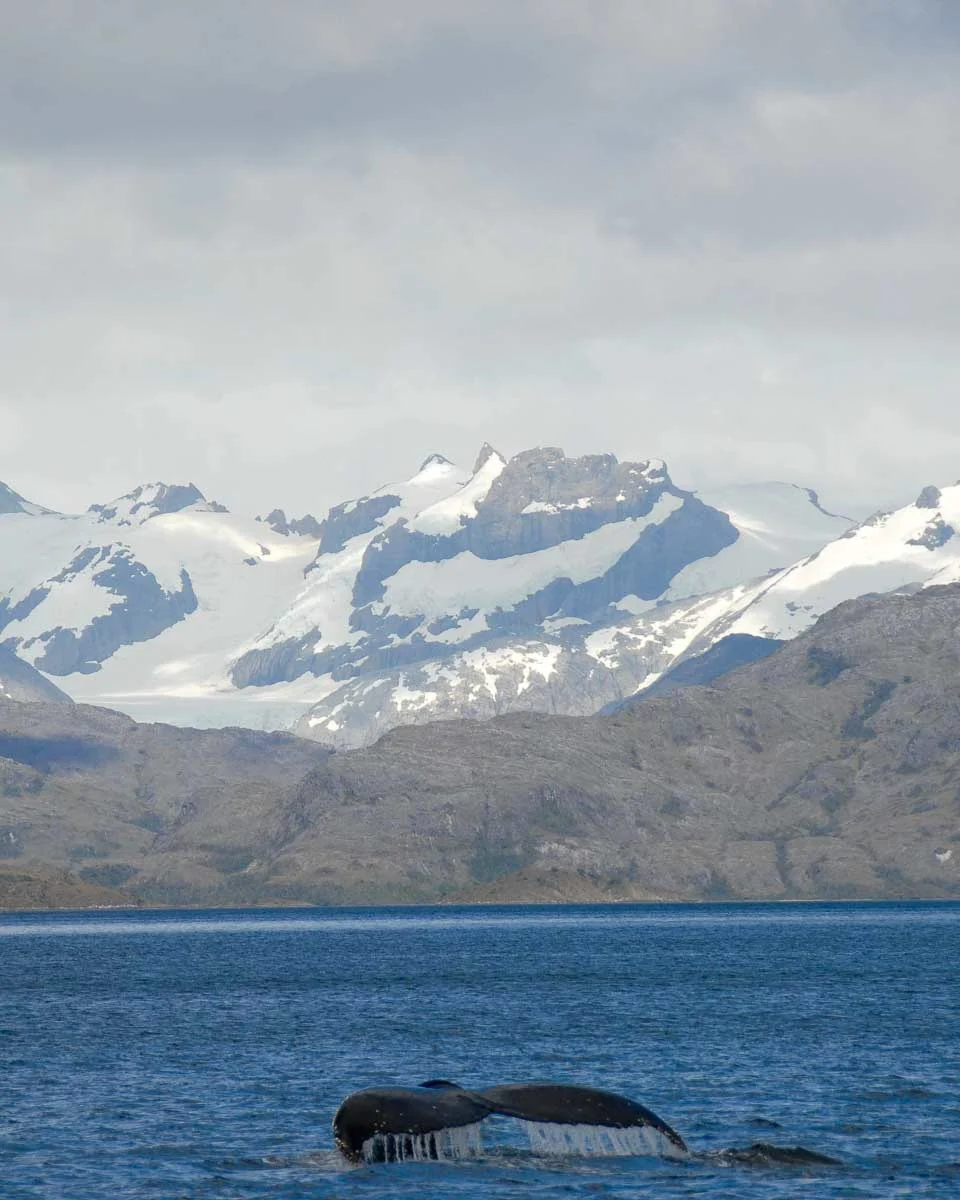
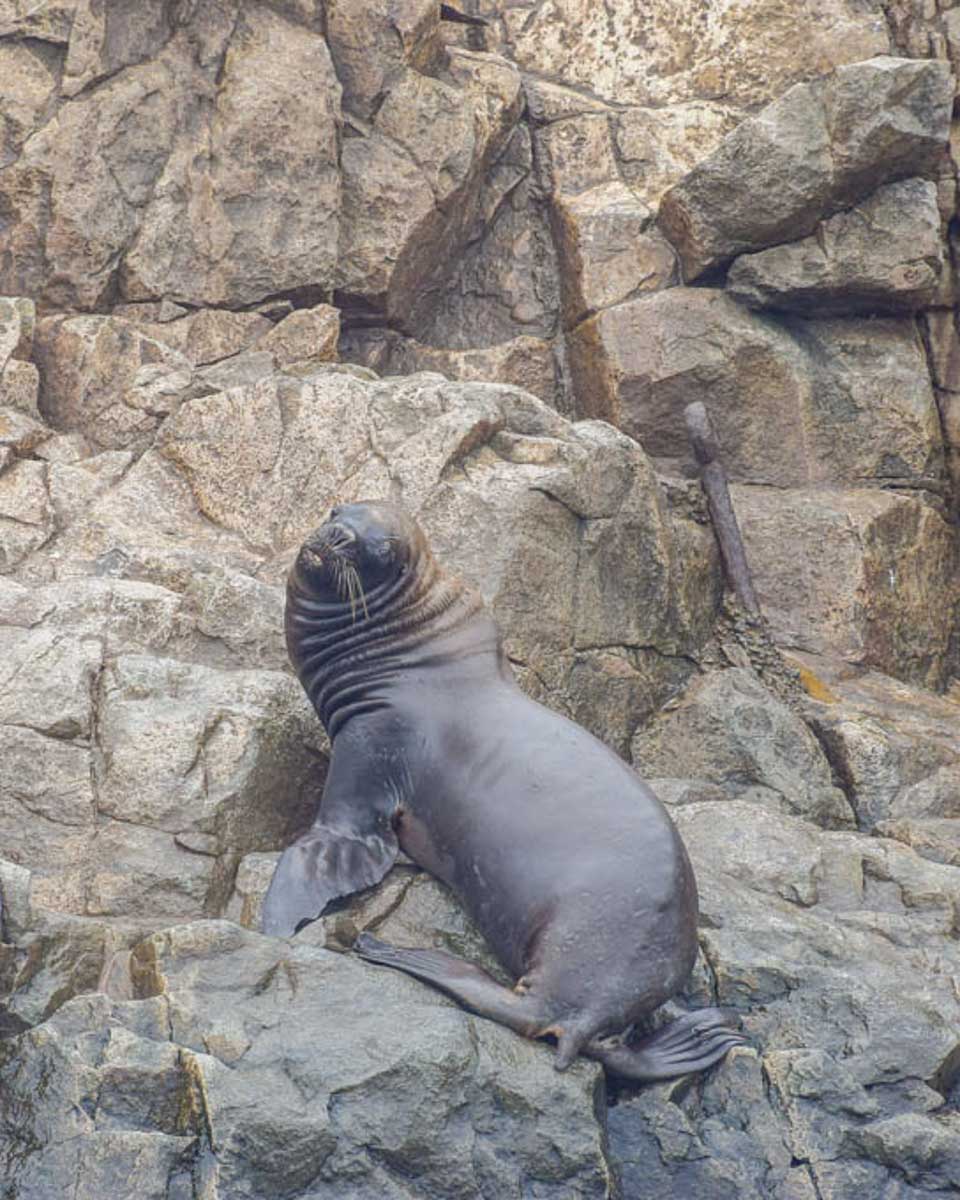
For a more wide-ranging wildlife experience, this full-day cruise into Francisco Coloane Marine Park is an unforgettable option. It begins early—around 4 am—but the start is well worth it, as you’ll spend 12–14 hours sailing through the legendary Strait of Magellan in search of humpback and sei whales, playful dolphins, sea lions, penguins, and countless seabirds—all set against dramatic coastal cliffs and glacial landscapes.
Because these waters are so close to Antarctica and sit at the meeting point of the Pacific and Atlantic Oceans, wildlife sightings are common and often spectacular. This is one of the most unique whale-watching locations in the world, and being out on these remote southern seas feels like a true expedition. Along the way, your guides will share insights about the region’s ecology while you enjoy the breathtaking scenery.
The tour includes breakfast, lunch, snacks, transportation, and all park permits, and it meets at a central point in downtown Punta Arenas. Be sure to dress warmly in layers, bring a waterproof jacket, and pack a camera and binoculars—conditions can be windy, and you won’t want to miss a thing. Whale season runs from early December to early April, and tours don’t operate daily, so booking early is essential.
Reserve your whale-watching trip here with flexible payment options!
Day 4 – Travel to Puerto Natales + Prep day
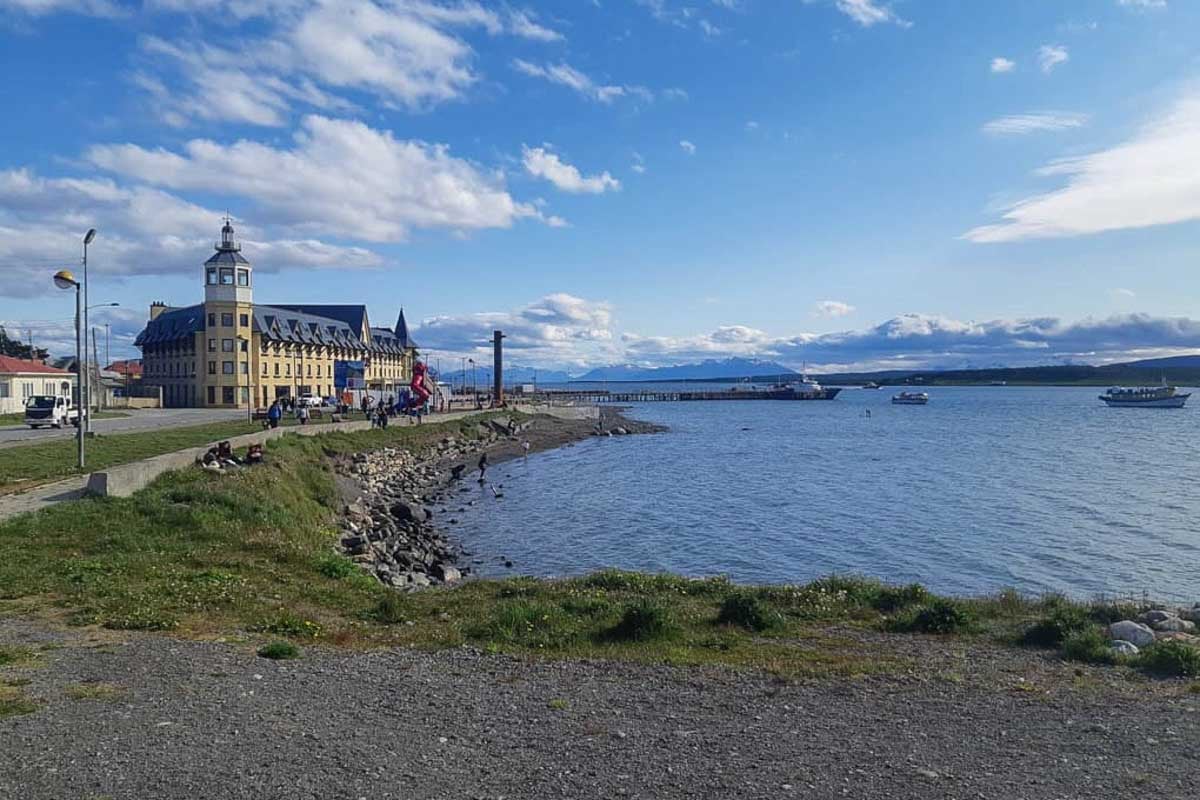

Today is a transition day as you make your way deeper into Patagonia. After breakfast, head to the bus station in Punta Arenas and catch a long-distance bus to Puerto Natales, the gateway town for Torres del Paine. The journey takes about 3 hours and 15 minutes and is typically very comfortable, with reclining seats and plenty of luggage storage.
Two companies operate this route most frequently: Bus Sur, known for its reliable service and modern, comfortable buses, and Buses Fernández, another popular option where you can easily check schedules and fares on their website.
Once you arrive and check in, the rest of the day is about settling in and getting prepared for the adventures ahead. Puerto Natales is small, relaxed, and incredibly scenic—a perfect place to slow down before the big hiking days.
Here are a few great ways to spend your afternoon:
- Walk the waterfront – Take a relaxed stroll along the fjordside boardwalk for beautiful views of the mountains across the water. It’s especially lovely at sunset, when locals gather along the beach, and old wooden docks glow in the evening light.
- Grab a beer at Baguales Brewpub – Baguales has a way of turning a quick pint into a full flight—the beer is just that good. With relaxed locals and house-made brews, it’s an ideal spot to wind down after traveling, and they keep the doors open from 6:30 pm to 1:30 am every night except Sundays.
- Try traditional Patagonian lamb – Lamb roasted over open coals is a must-try regional specialty. El Asador Patagónico is one great option, known for its generous meat platters and classic Patagonian barbecue style, but you’ll find several spots in town offering this unforgettable dish.
- Stock up for Torres del Paine – Use this time to pick up snacks, refill water bottles, grab last-minute layers, or rent any gear you might need. It’s also a good moment to confirm bus tickets, tour pickups, and park passes before heading into the national park.
After a relaxed afternoon and a hearty dinner, get a good night’s rest—tomorrow, you’re finally off to explore one of the world’s most iconic national parks. We put together a list of the favoirte things we did in Puerto Natales, just in case you have extra time!
Where to stay in Puerto Natales
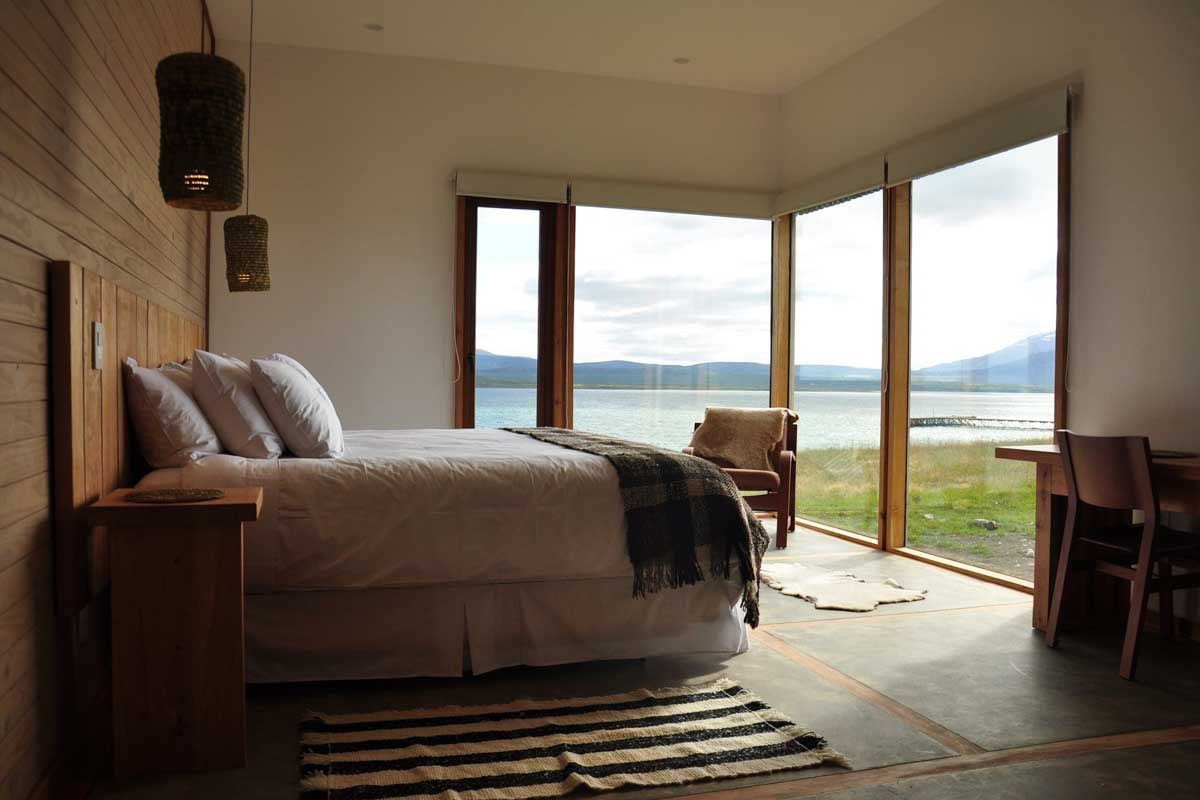
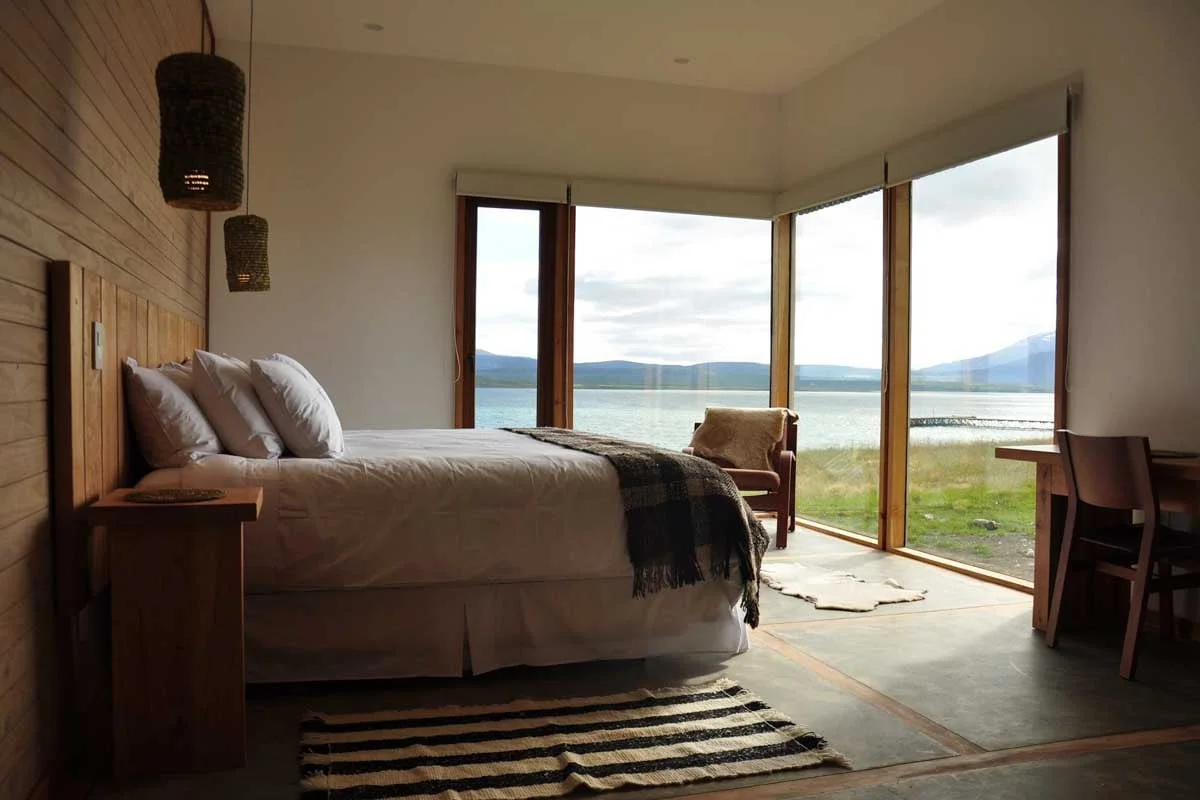
Puerto Natales is the gateway to Torres del Paine, with dramatic waterfront views, cozy lodges, and easy access to some of Patagonia’s most iconic adventures. Whether you’re after luxury, comfort, or a great-value stay, these top picks cover every budget.
How many nights you’ll need depends on your plans—those hiking the full 5-day W Trek usually only spend one night in town, while travelers joining day tours from Puerto Natales often stay three to four nights. If any of these hotels are available for your dates, book early—rooms here fill quickly in peak season.
Luxury – $$$
Set right on the waterfront in Puerto Natales, Hotel Simple Patagonia offers modern, minimalist rooms with sweeping sea and mountain views. Guests enjoy comfortable beds, private bathrooms, and free Wi-Fi, plus a hearty continental breakfast each morning. The on-site restaurant serves local dishes with vegetarian options, and free parking and a tour desk make it easy to prepare for Torres del Paine.
Prices vary by season from around $260–$440 USD per night, but you can view options and book this hotel on Booking.com.
Mid-range – $$
Set just outside Puerto Natales with sweeping views of the Última Esperanza Sound, Weskar Lodge Hotel is a cozy Patagonian retreat with warm wooden interiors and simple, comfortable rooms. Guests enjoy private bathrooms, free Wi-Fi in common areas, and a complimentary breakfast with fresh bread and fruit. The lodge’s restaurant serves excellent seafood and Chilean wines, and all-inclusive packages with meals, excursions, and park entry are also available.
Prices typically range from $120–$340 USD per night—see current rates on Booking.com.
Budget – $
Located within walking distance of the Puerto Natales bus station, Xalpen B&B offers simple, comfortable rooms with parquet floors, modern touches, and the option of private or shared bathrooms. Guests enjoy free Wi-Fi, a cozy lounge, and a continental breakfast each morning. The B&B also offers a sun terrace, tour desk, and free private parking, making it a convenient base for exploring the area.
Rates typically range from $45–$70 USD per night—check availability on Booking.com.
Days 5–9 – Torres del Paine National Park
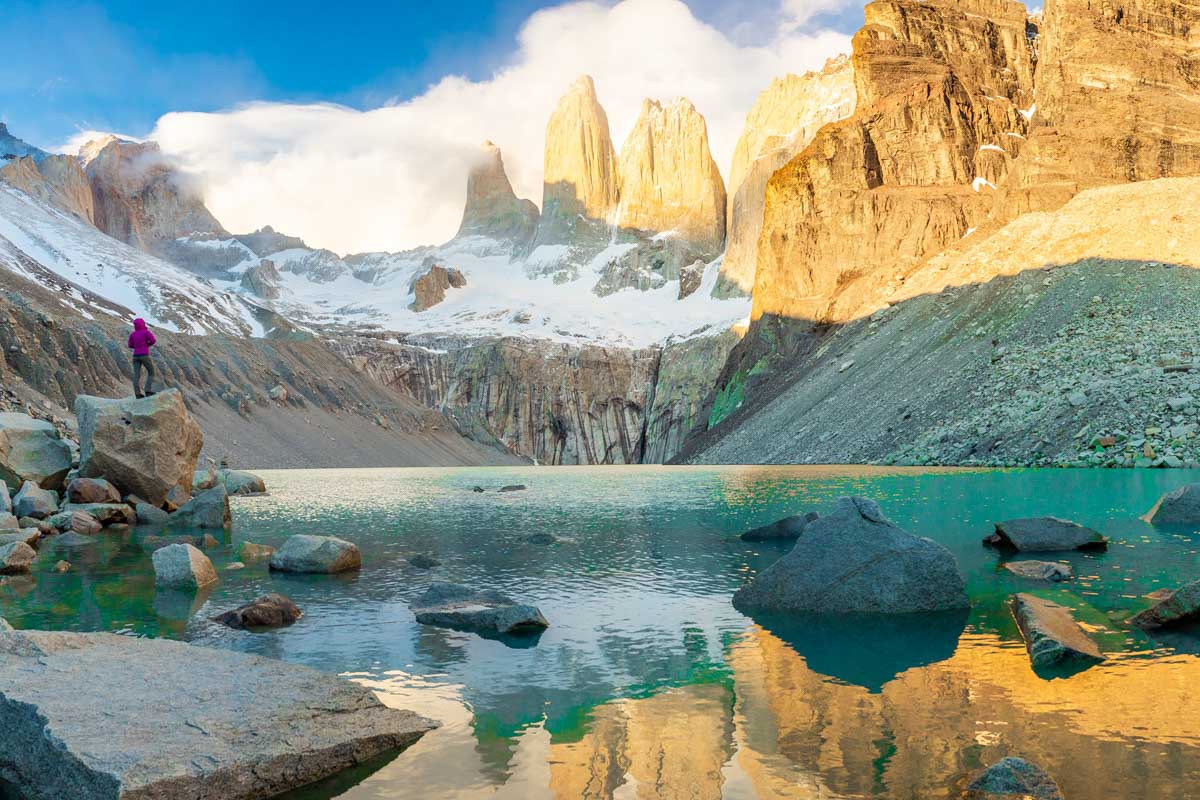
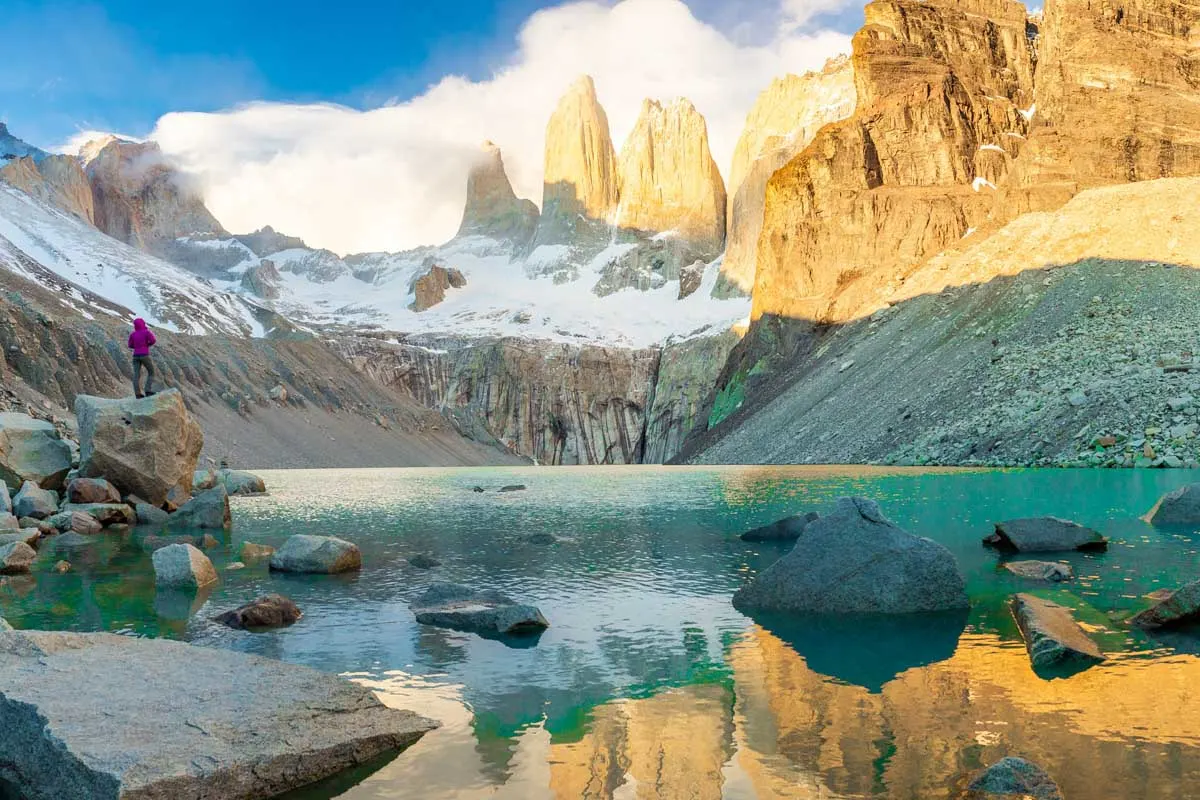
Welcome to the centerpiece of your Patagonia adventure. Torres del Paine is one of the most spectacular national parks in the world, famous for its jagged granite towers, electric-blue lakes, massive glaciers, roaming guanacos, and weather that can shift from sunshine to sideways wind in a matter of minutes. Spending several days here is truly the highlight of any trip to southern Patagonia.
There are two main ways to experience Torres del Paine, and your choice will shape how these next days unfold:
- Hike the full W Trek – a classic 5-day, 4-night route that winds through the park’s most iconic valleys. It’s an unforgettable adventure but physically demanding, requires advance bookings, and isn’t ideal for travelers who prefer comfort or flexibility.
- Stay in a hotel or lodge and join day trips – a comfortable, flexible option that allows you to explore different parts of the park without carrying a heavy pack or committing to a long-distance hike. You can choose from scenic drives, boat trips, guided hikes, and relaxed viewpoints over 3–5 days.
Both approaches offer incredible scenery and a true taste of Patagonia—so whether you’re here for the challenge or the comfort, the next several days are guaranteed to be unforgettable.
Option 1: Hike the classic W Trek (Days 5-9)
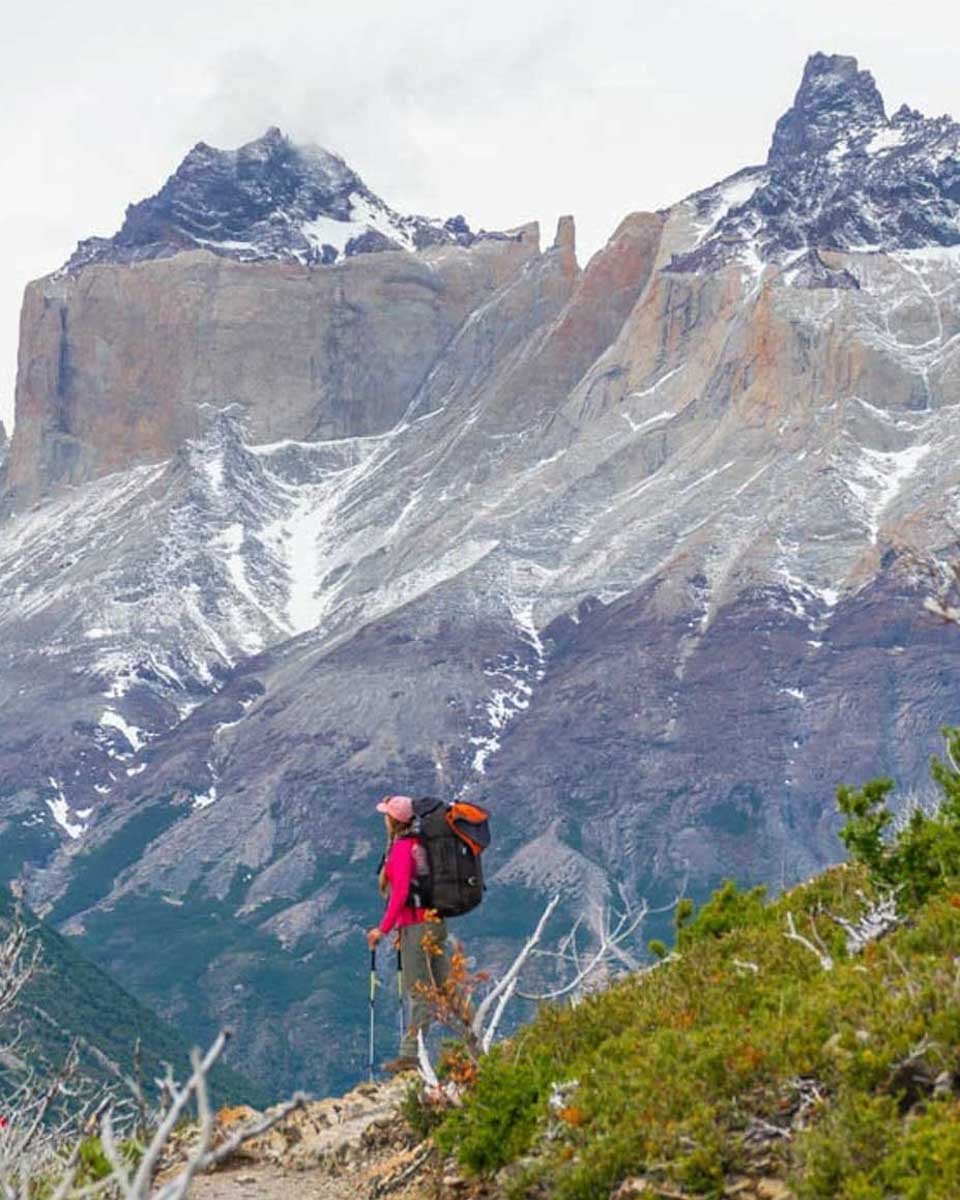
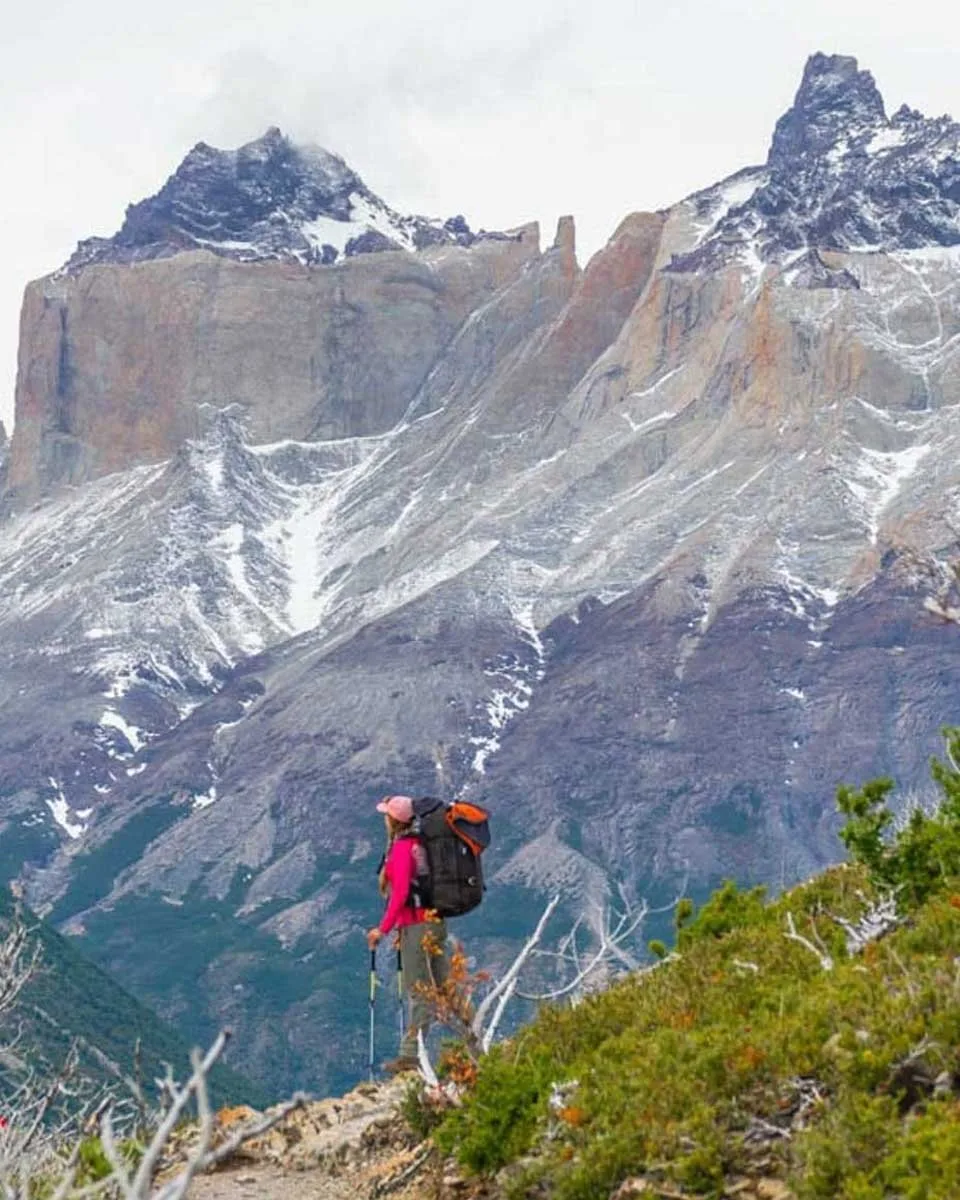
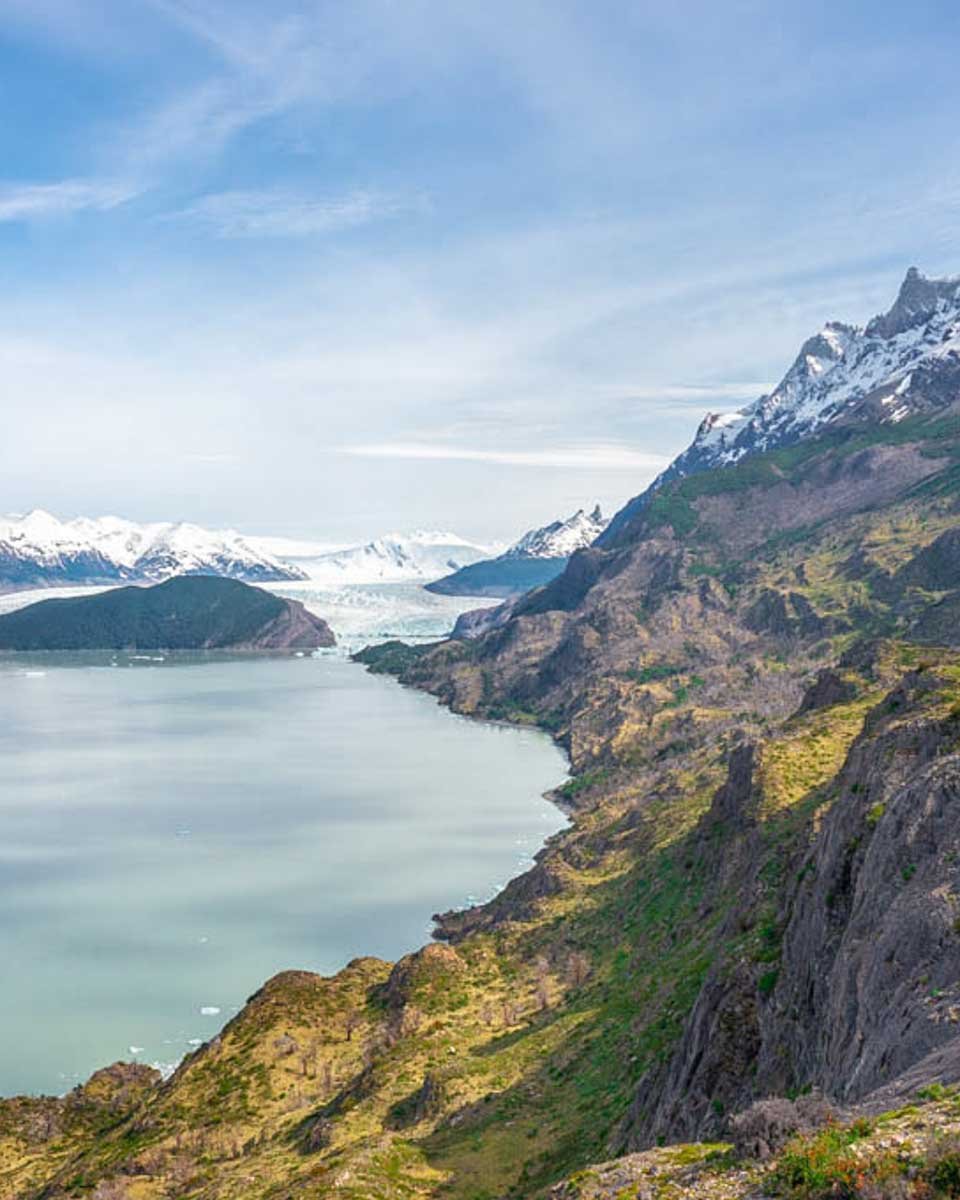
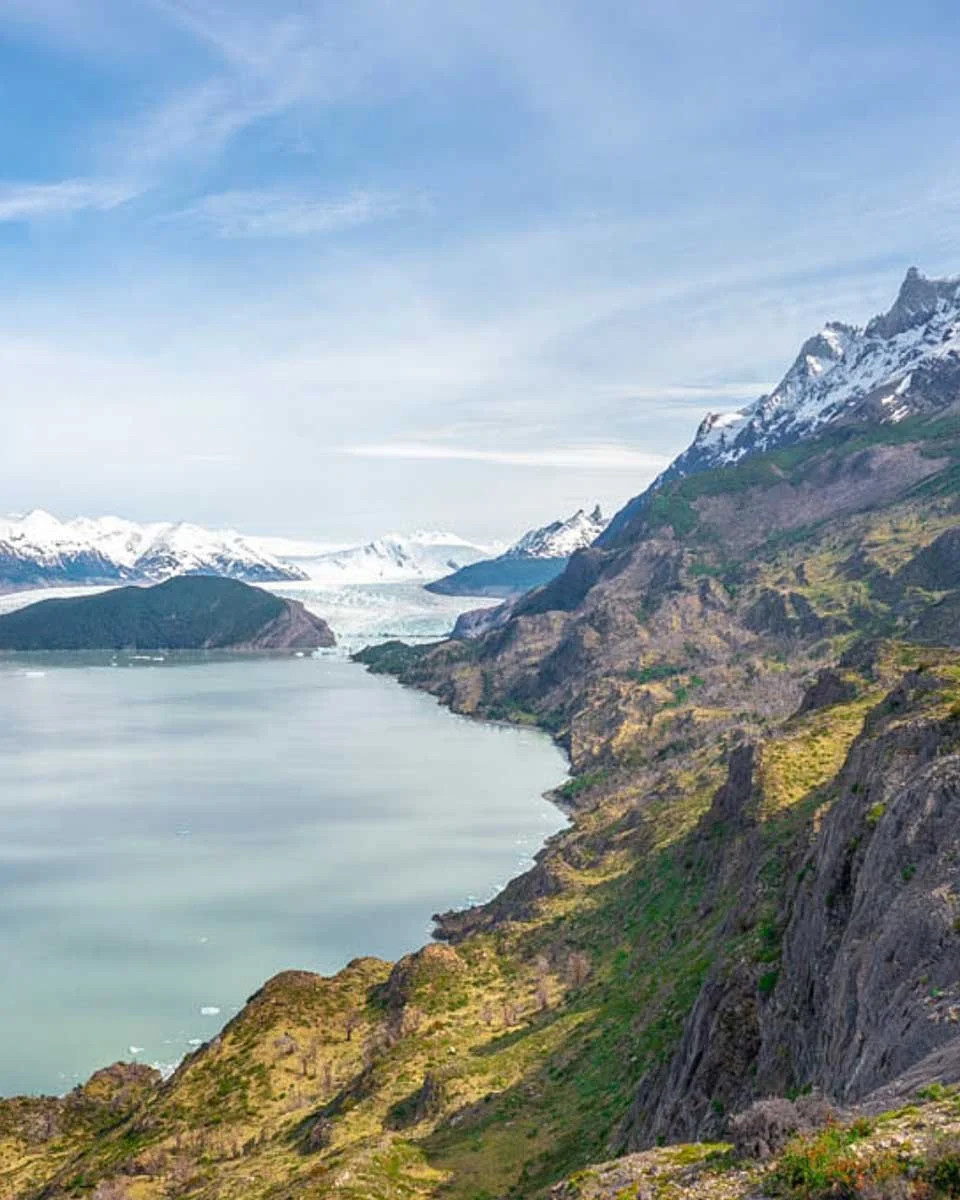
For experienced hikers, the W Trek is the most iconic way to experience Torres del Paine. This 5-day, roughly 80 km (50-mile) route forms the shape of a ‘W’ as it winds through the park’s three most famous valleys—Grey Glacier, French Valley, and Las Torres. Expect long days on rugged trails, changing weather, and huge rewards at every turn. It’s challenging but unforgettable, and many hikers consider it the highlight of their entire Patagonia trip.
Most people hike the W from west to east, starting near Grey Glacier and finishing with the sunrise hike to Las Torres. Daily distances range from about 8–21 km (5–13 miles) with 4–9 hours of hiking per day, depending on your pace and the route you choose.
Along the way, you’ll stay in either refugios (mountain lodges with meals and beds) or campgrounds—your choice, though both must be booked well in advance. The trek can be done self-guided or guided, and bookings for campsites and refugios often fill months early, especially for December–February.
Here is my Favorite W Trek itinerary, including a night at Camp Paso—an option best suited for fit, experienced hikers seeking the most rewarding version of the trek:
- Night 1 – Camp Paso – Get the bus and ferry into the park and walk towards the Refugio Grey; however, instead of stopping at Grey for the night, continue on another 10 km (6.2 miles) to Camp Paso (21.5 km/13.4 miles total).
- Night 2 – Paine Grande – Hike from Camp Paso past Refugio Grey and onto Camping Paine Grande. For reference, this is where the ferry would have dropped you on the first day. So, you’re just hiking back the way you came.
- Night 3 – Camping Italiano – Today, hike from Paine Grande to Camping Italiano. This is only 7.6 km (4.7 mi), so once you arrive, set up camp and hike as much of the French Valley as you want.
- Night 4 – Camping Chileno – Hike from Italiano to Camping Chileno (19 km/12 mi). Then wake up the next day and hike to the Las Torres viewpoint before exiting the park.
If you prefer an easier version of the W, or want alternatives that involve shorter days or different overnight stops, we’ve listed several additional route options in our complete guide to the Torres del Paine W-Trek.
Option 2: Sightseeing, hiking, and more (Days 5-7)


If you’d rather explore Torres del Paine without committing to the full W Trek, this flexible option lets you spend 3–5 days enjoying the park’s highlights while returning to your hotel each night. It’s perfect for travelers who want incredible scenery and iconic hikes—without carrying a heavy pack or changing camps. Choosing this approach also leaves room in your itinerary for an extra flex day or additional time later on to explore El Chaltén or Buenos Aires at a more relaxed pace.
If choosing the hotel-based version, your itinerary could look like this:
Day 5: Hit the highlights on a panoramic tour
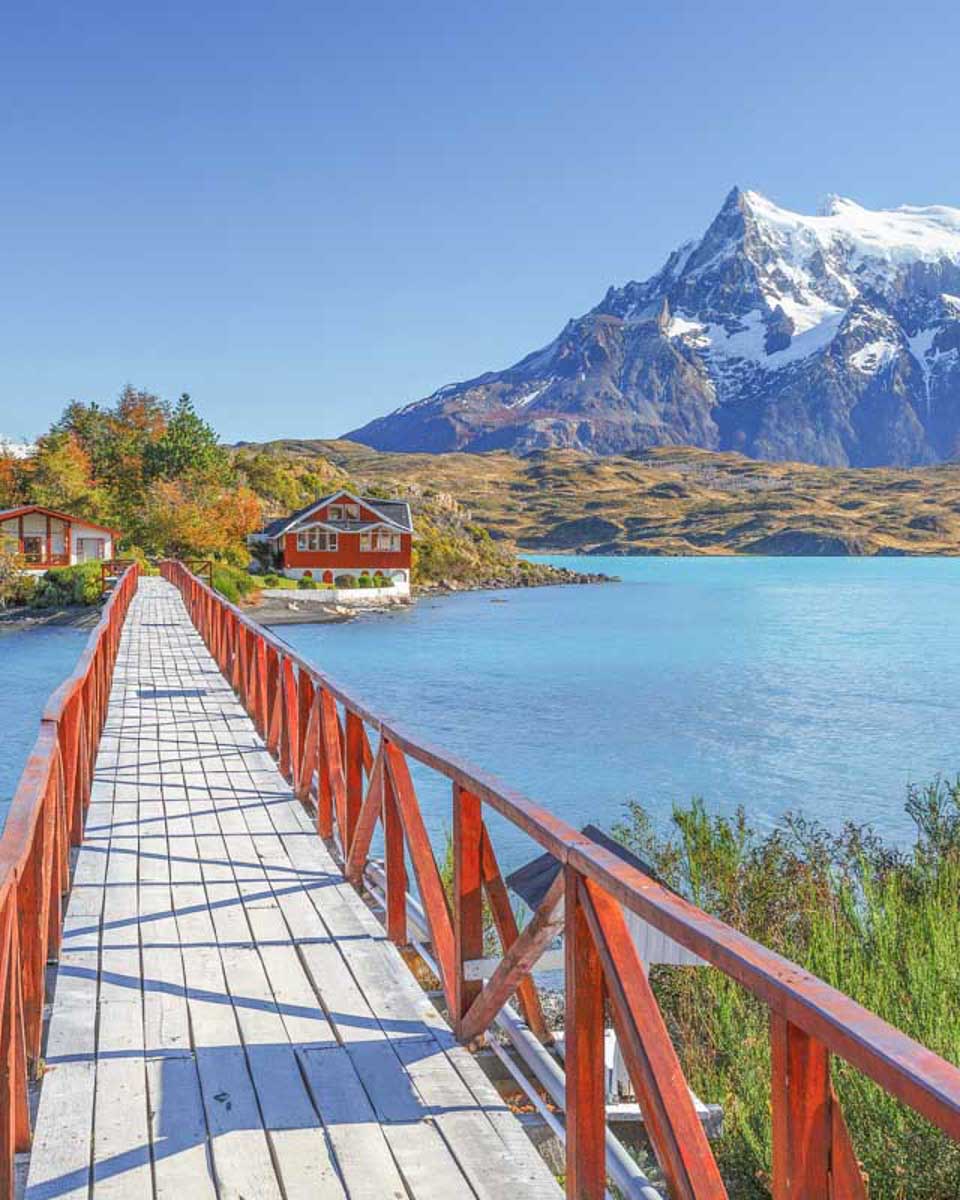
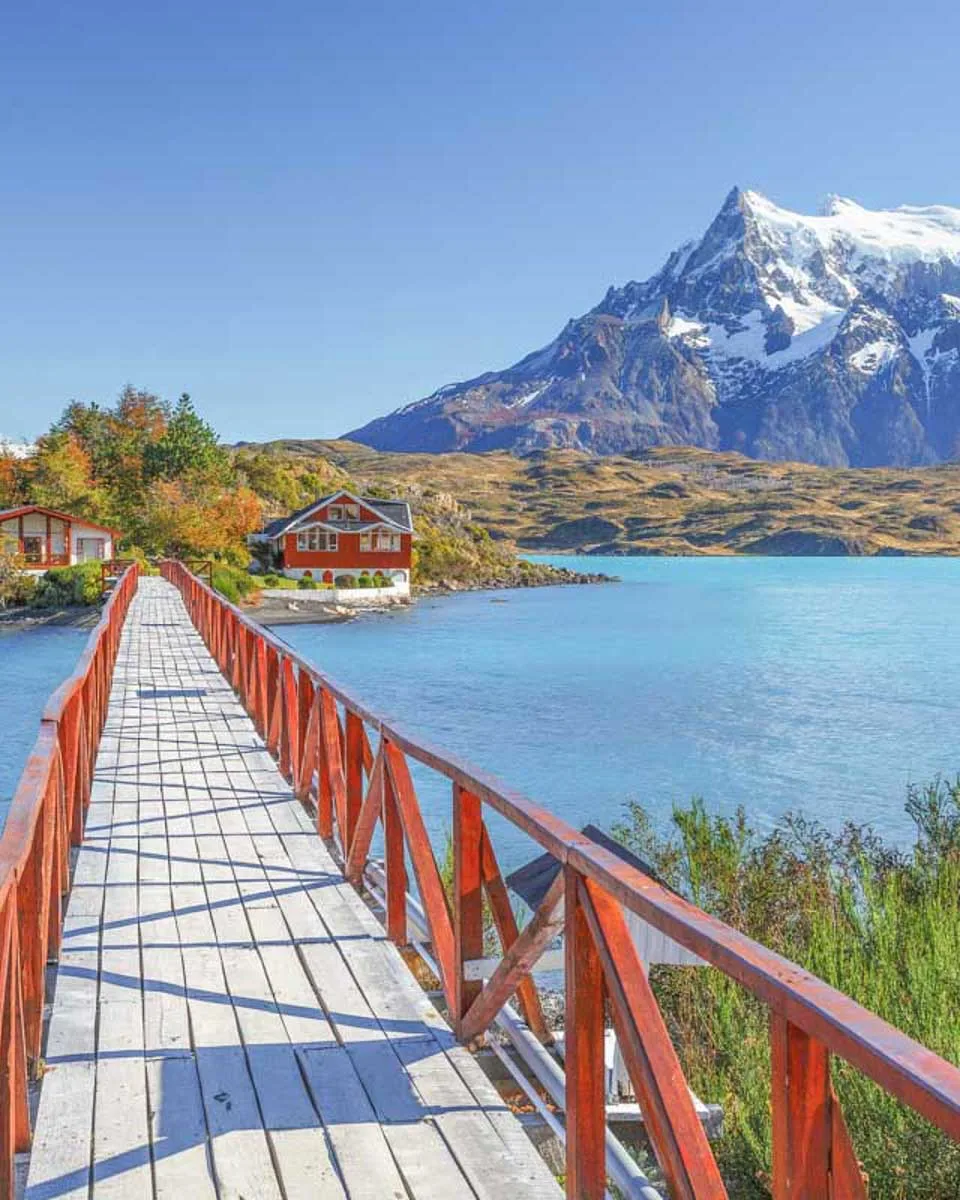

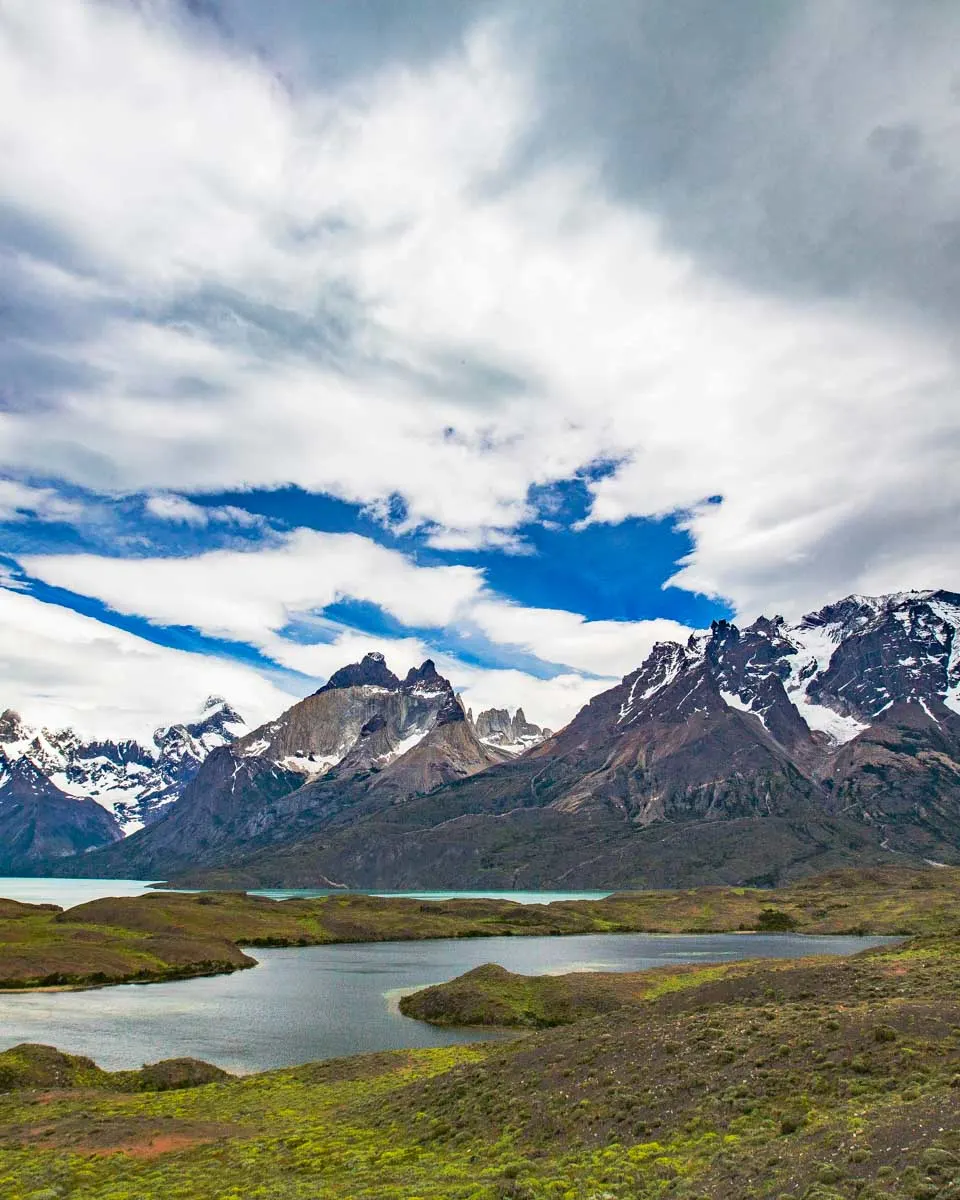
This full-day panoramic tour is the perfect introduction to Torres del Paine, especially if you want to see the park’s major viewpoints without taking on long hikes. The day begins with an early 7 am pickup from your hotel in Puerto Natales before heading north toward Villa Cerro Castillo and the entrance to the national park.
Over the course of nine hours, your guide brings you to the park’s most photogenic stops, starting with the dramatic lookout over Lake Sarmiento—your first sweeping view of the entire Paine massif. From here, the route continues to classic viewpoints including Laguna Amarga, Nordenskjöld Lake, Salto Grande, Pehoé Lake, Weber Bridge, and the Paine River. Each stop offers a different angle of the mountains, turquoise lakes, and the rugged landscape that makes this region so striking.
You’ll also visit Grey Lake, where drifting icebergs hint at the nearby glacier. The tour finishes at Mirador Grey on Route Y-290, one of the most impressive lookout points facing the Paine range.
With minimal walking and plenty of photo stops, this tour is ideal for getting a big-picture look at Torres del Paine—perfect for anyone skipping the W Trek but still wanting incredible views.
Plan ahead and book here to keep your itinerary on track!
Day 6: Hike the Mirador Las Torres
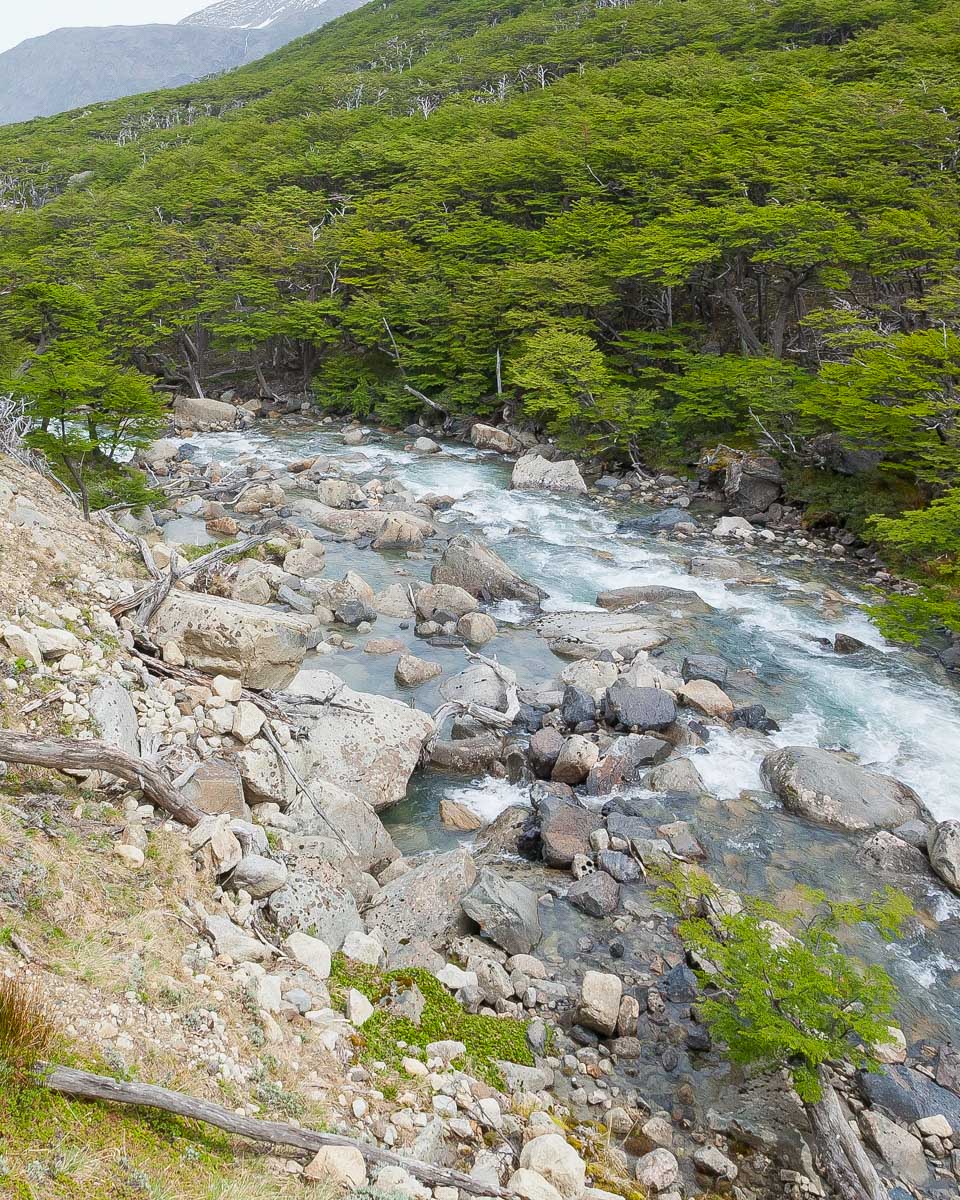
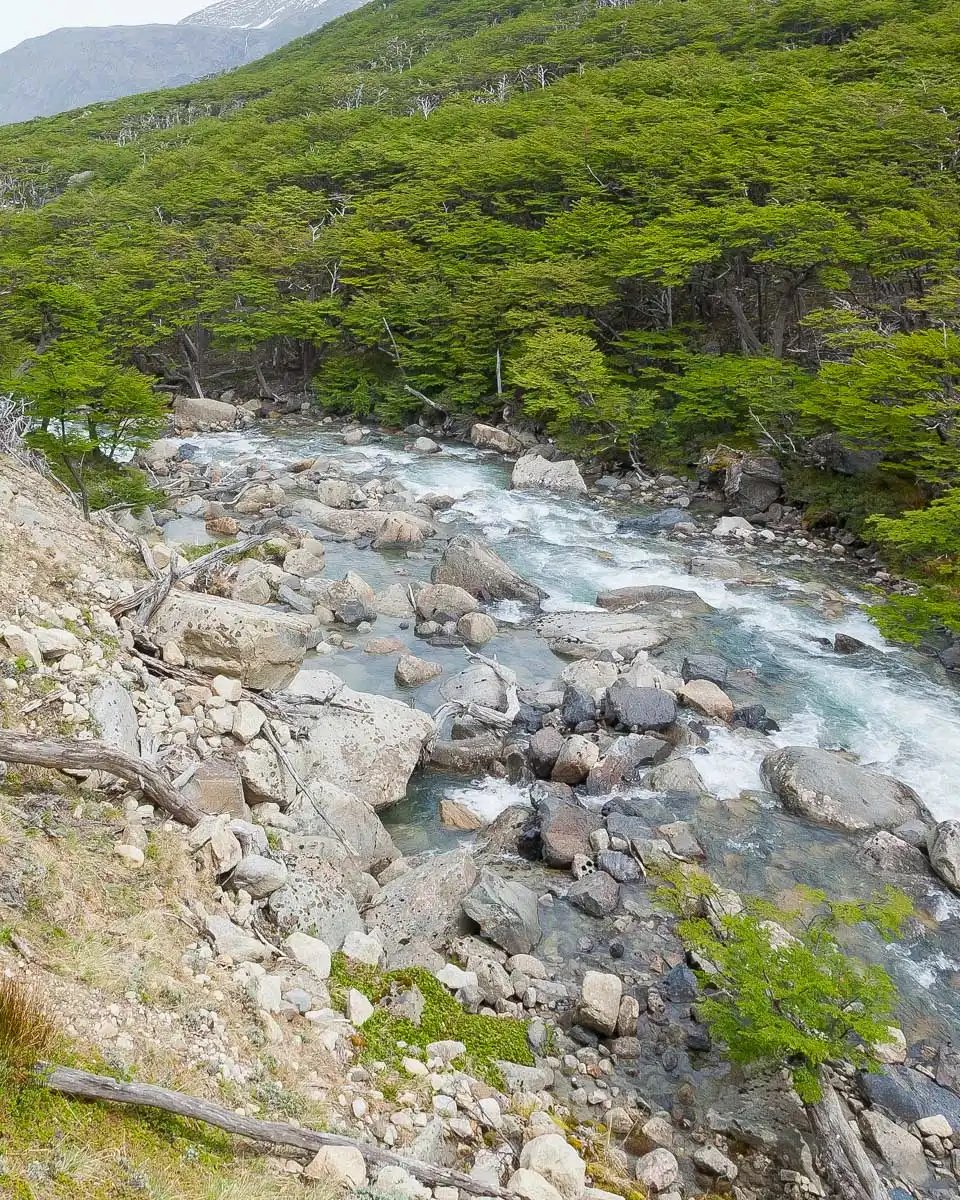
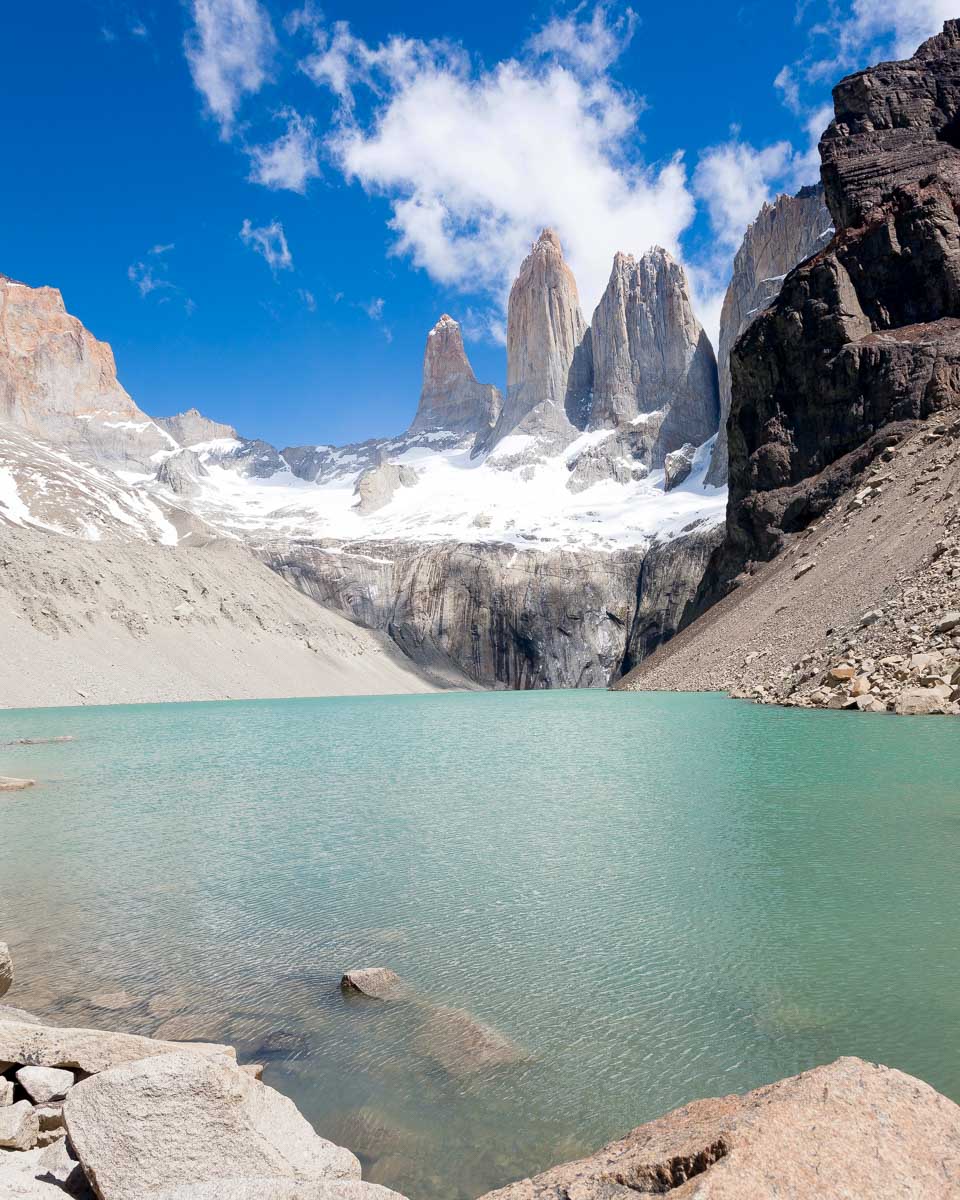

If you can only do one major trail in Torres del Paine, make it this Mirador Las Torres hike that leads to the park’s most iconic viewpoint—a turquoise glacial lake beneath the towering granite spires that define the entire national park.
Starting at 6:30 am, this full-day hike takes 8–10 hours round-trip, and is challenging even for seasoned hikers, but the reward is extraordinary. Reaching this lookout is considered a rite of passage for Patagonia travelers—and the moment you arrive, you’ll understand why.
Your small-group tour begins with pickup from your hotel, followed by a transfer to Torres del Paine. With an English-speaking guide leading the way, you’ll climb steadily through native lenga forest, follow the Ascencio Valley, and eventually tackle a rocky moraine—the steepest section of the trail. At the top, the world suddenly opens into the postcard view that draws hikers from around the globe.
The tour includes shared transportation, bilingual guides, trekking poles, and rain gear (optional), and return transfers to Puerto Natales. Even travelers who skip the multi-day W Trek often choose to do this hike—it’s challenging, but visiting Torres del Paine without seeing Las Torres feels incomplete. If you’re up for one big adventure day, this is it!
Secure your spot here for this epic Patagonia experience!
Day 7: Visit the Grey Glacier
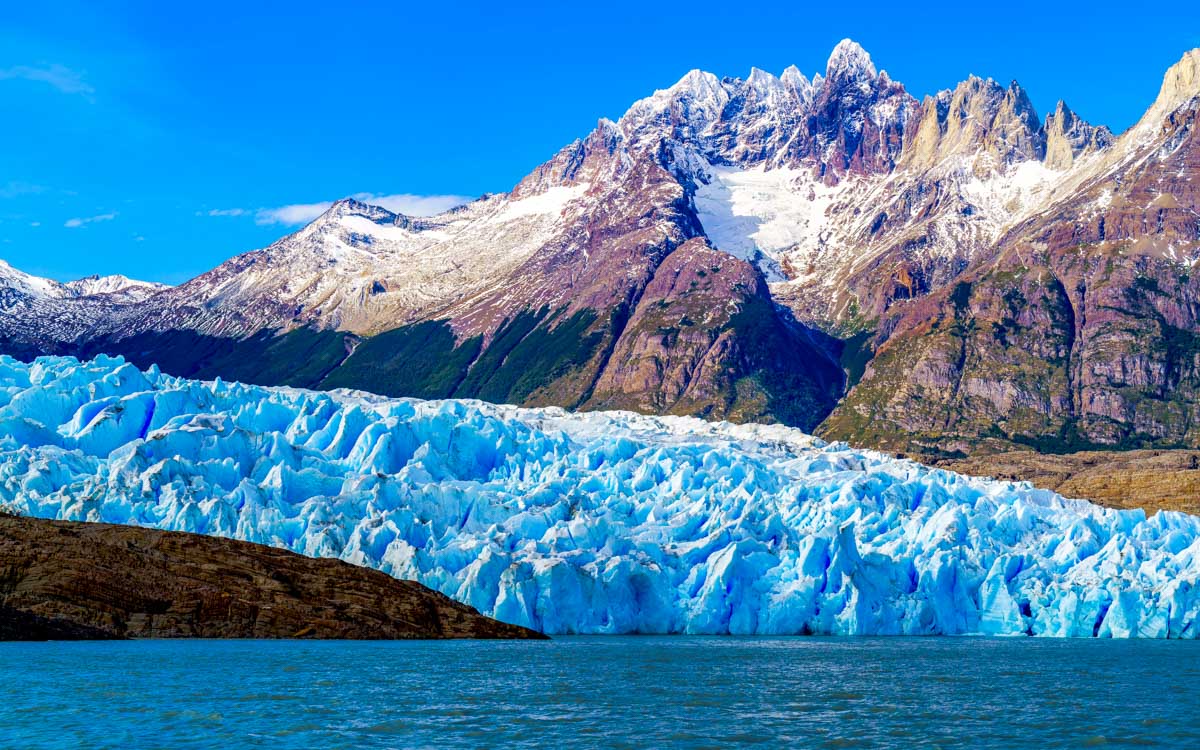
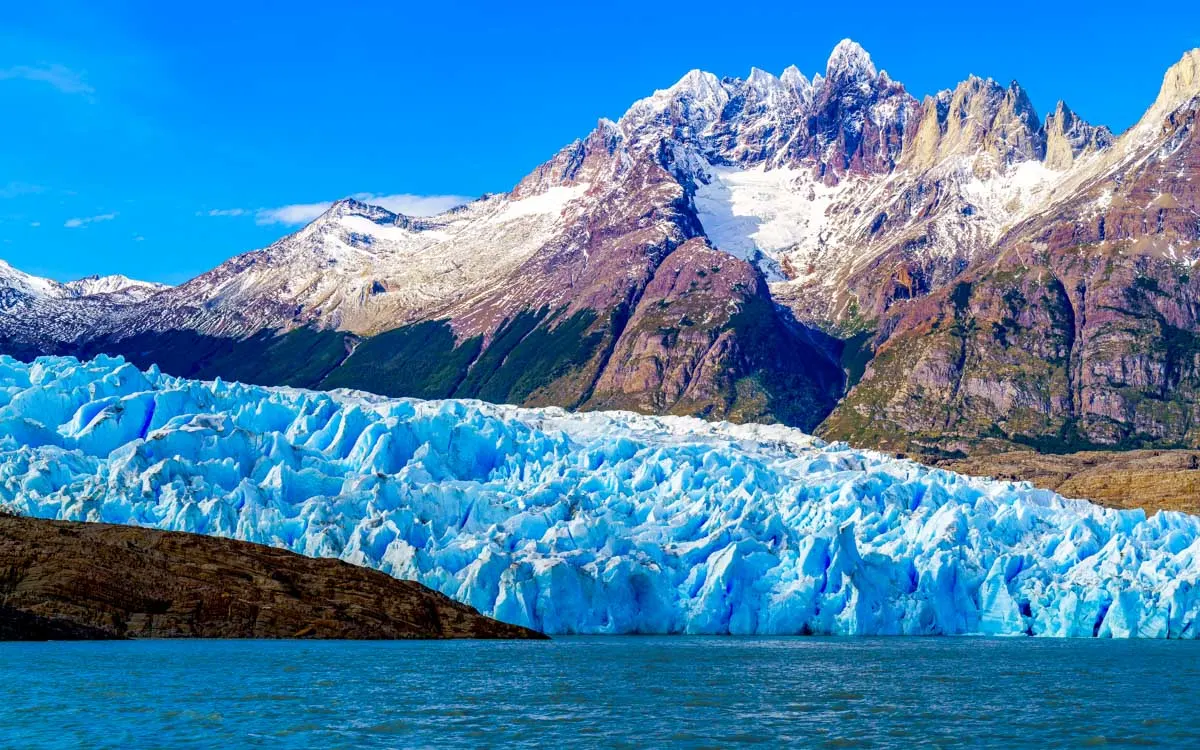
Today’s adventure takes you onto the water for this unforgettable boat trip to Grey Glacier, one of the most breathtaking natural wonders in Torres del Paine. After pickup from your hotel in Puerto Natales, you’ll travel to Lago Grey Hotel inside the park, where the group checks in for the tour. A short 30–45-minute walk along Grey Beach brings you to the dock to board the Grey III catamaran.
As you cruise across Lake Grey, you’ll glide past floating blue icebergs and dramatic mountain scenery before approaching the glacier itself. The captain brings the boat close to the towering ice wall, giving you a front-row view of its deep crevasses and shifting blue tones. A complimentary pisco sour—chilled over glacier ice—adds to the moment.
The full experience lasts around 8 hours, with departures typically at 6:30 am, 9:30 am, or 12:30 pm, depending on availability. With your ticket, round-trip transportation, a guide, and 3 hours of boat navigation included, this tour is perfect for travelers who want to experience a glacier up close, without hiking long distances.
This tour sells out fast—book it early here to avoid missing out!
Days 8 and 9: Your choice
Because the weather in Torres del Paine can be unpredictable and tours are often adjusted or canceled due to wind, Days 8 and 9 are intentionally left open as flex days. Use them to reschedule any activities that might have been postponed earlier in the week, revisit your favorite viewpoints, or simply enjoy a slower, more relaxed day in Puerto Natales.
If everything goes smoothly with your Torres del Paine plans, you can instead shift these days to the end of your trip. Many travelers choose to spend the extra time exploring El Chaltén, Buenos Aires, or Santiago, depending on where their itinerary concludes. Having these buffer days built in makes your entire Patagonia adventure far more enjoyable and far less stressful, especially during peak season when weather changes quickly.
Day 10 – Travel to El Calafate
Today is all about making your way from Puerto Natales (or directly from Torres del Paine) to El Calafate, the gateway to Argentina’s Los Glaciares National Park. The journey takes about 5–6 hours, though timing varies depending on how busy the international border is. Keep your passport handy, as you’ll exit Chile and enter Argentina during the trip.
Several bus companies operate this route. Bus Sur runs year-round with departures on Wednesdays, Fridays, and Sundays at 8 am, and Tuesdays, Thursdays, and Saturdays at 4:30 pm. Turismo Zaahj also runs daily buses at 7 am. Tickets typically cost $30–$49 USD, and it’s customary to tip the staff who handle luggage—about $1–2 USD in local currency.
Once you arrive in El Calafate and check in, you’ll likely still have a few hours to explore. Here are some great ways to spend your afternoon:
- Drop by a museum – The Centro de Interpretación Histórica Calafate is a small but fascinating natural history museum that offers great context for the landscapes you’re about to explore.
- Snap photos at the Calafate signs – There are two colorful “CALAFATE” signs perfect for photos: one perched on the hill at the east end of town after the bridge, and another along the lakeside.
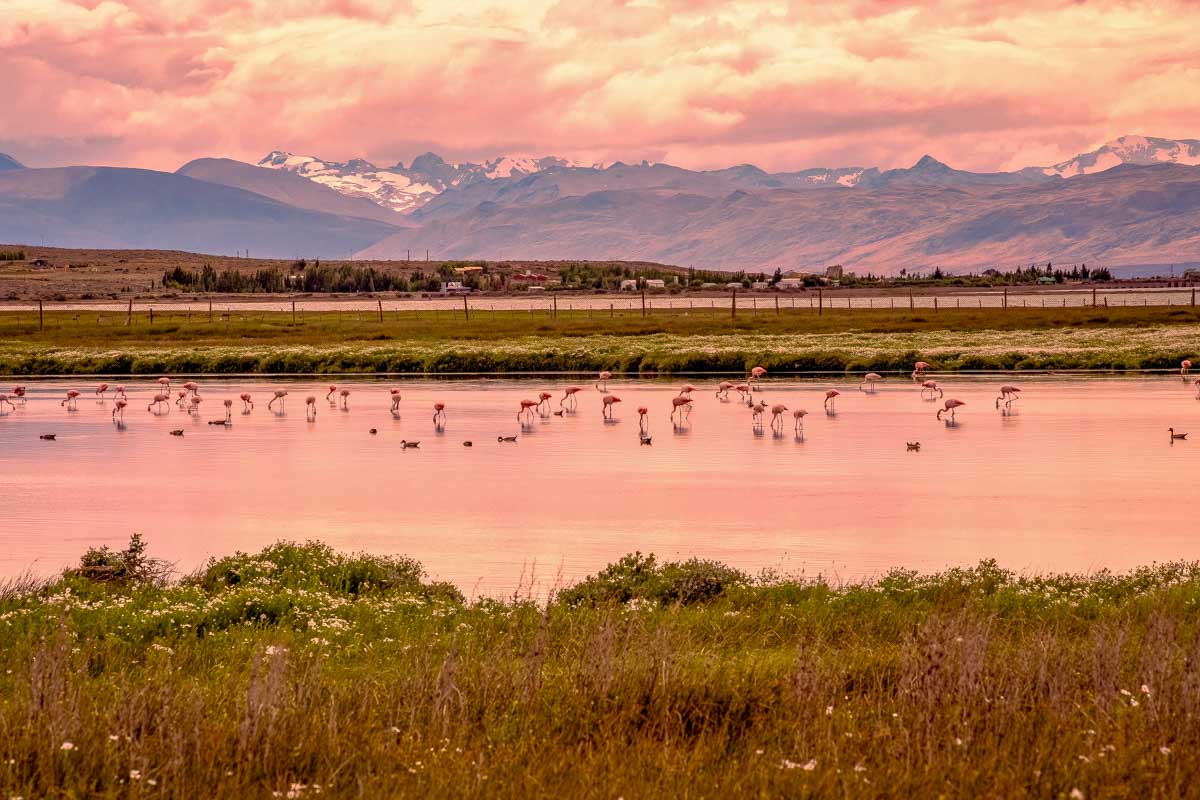
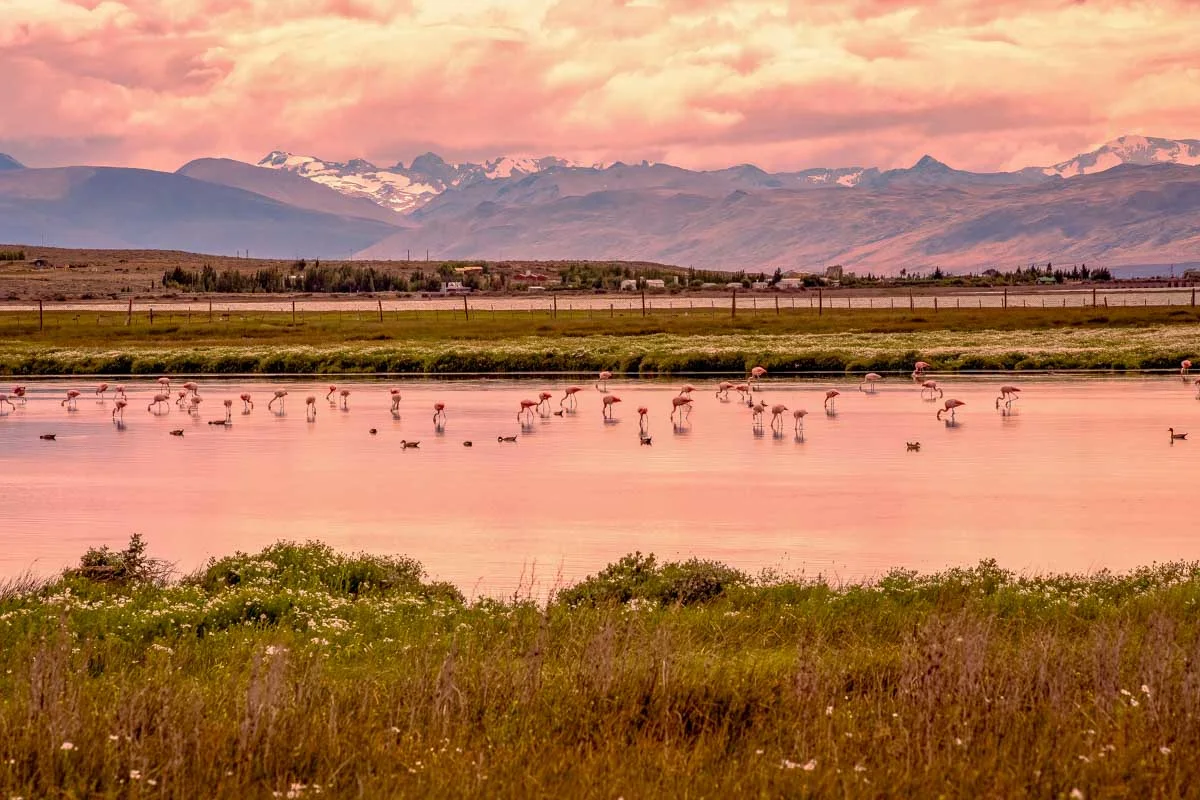
- Visit Laguna Nimez Reserve – Just a short walk from downtown, this peaceful lagoon on the shores of Lago Argentino is home to more than 80 bird species, including flamingos. The 2.5 km trail loop takes 1–2 hours, and entrance costs around $11 USD.
- Grab dinner in town – For a hearty Argentine meal, Mi Viejo is a great choice for grilled meats, while Buenos Cruces Pasta Bar is beloved for its fresh, homemade pasta.
Take it easy tonight—tomorrow, you’ll get your first look at one of Patagonia’s most spectacular glaciers.
Related Read: Looking for more fun things to do here? See our list of our favorite activities in El Calafate and squeeze a few more into your itinerary!
Where to Stay in El Calafate
El Calafate is the perfect base for exploring Los Glaciares National Park, with easy access to Perito Moreno Glacier, lakeside views, and plenty of great places to stay. Whether you’re looking for spa-level comfort, mid-range convenience, or an affordable stay close to town, these top picks cover every budget. You’ll be spending two nights here, so choosing the right hotel makes all the difference. If any of these are available for your dates, book early—El Calafate fills quickly in peak season!
Luxury – $$$
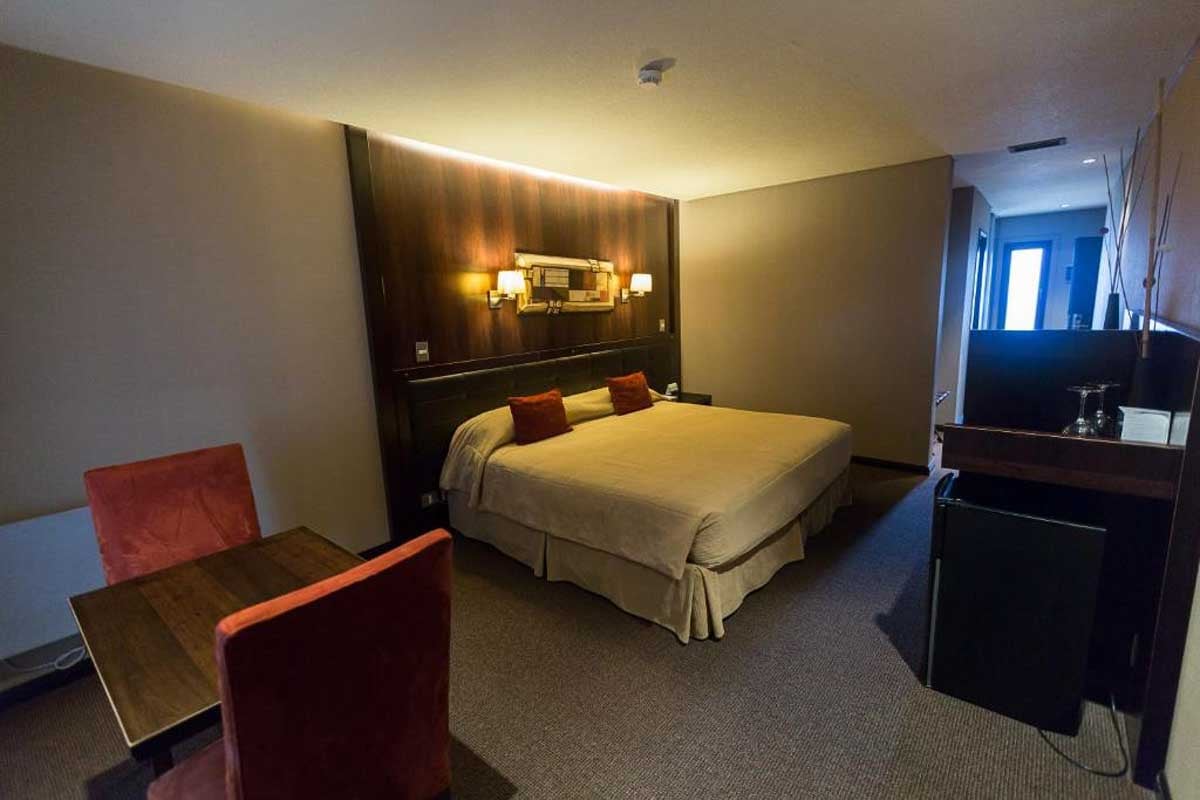
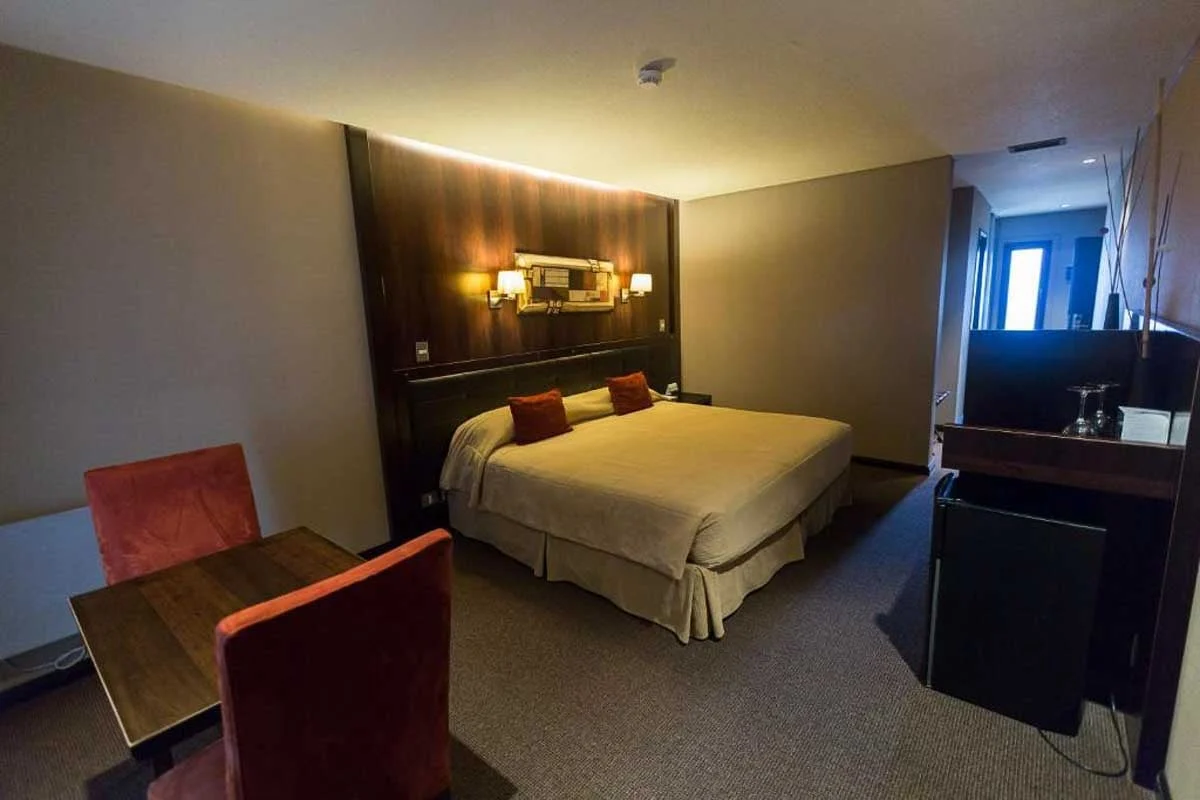
Located just steps from Argentino Lake, Imago Hotel & Spa offers spacious, modern rooms with large windows, minibars, and views of the surrounding landscape. Guests can unwind in the indoor pool, sauna, Turkish bath, or fitness center, and enjoy a generous daily buffet breakfast. The hotel also features an elegant restaurant, a cozy lounge, and free shuttle service to the town center.
Prices typically range from $140–$250 USD per night. Browse rates and book this hotel on Booking.com.
Mid-range – $$
Centrally located in El Calafate, Hotel Amado offers simple, comfortable rooms with private bathrooms, free toiletries, and views of the garden or patio. Guests enjoy free Wi-Fi, a lounge area, a public bath, and the convenience of a 24-hour front desk, concierge service, and free parking. The hotel is an easy walk from the Regional Museum and El Calafate Bus Station, with Nimez Lagoon and Lake Argentino nearby.
Rates typically range from $80–$140 USD per night. See current availability on Booking.com.
Budget – $
Just a short walk from the shores of Lago Argentino, Marcopolo Suites Calafate offers simple, modern rooms with private bathrooms, cable TV, free Wi-Fi, and views of the surrounding mountains or lake. The hotel features an on-site restaurant, bar, and free parking, as well as an airport shuttle for added convenience. Located 12 miles from El Calafate Airport, it’s also close to the Regional Museum and other main attractions.
Rates can start as low as $70–$190 USD per night, depending on the season. Scroll through current options and book this hotel here.
Day 11 – Visit the Perito Moreno Glacier


No trip to Patagonia is complete without seeing the Perito Moreno Glacier, one of Argentina’s most spectacular natural wonders. Covering roughly 250 square kilometers (96 square miles) and rising up to 70 meters (230 feet) above the water, this glacier is not only massive—it’s also one of the few in the world that is still advancing. Its size, accessibility, and constant movement make it the crown jewel of Los Glaciares National Park.
The glacier is estimated to be around 18,000 years old, and while Indigenous communities knew this land long before colonization, it was officially documented in 1879 and later renamed after Argentine explorer and conservationist Francisco “Perito” Moreno. Today, it’s recognized as one of Argentina’s Seven Natural Wonders and the third-largest freshwater reserve on the planet.
Most visitors experience Perito Moreno from the park’s network of walkways—a 4 km (2.5-mile) series of balconies offering incredible views of the glacier’s north and south faces. From here, you can often hear and see ice calving into Lago Argentino, especially in the afternoon. For an even closer look, boat tours and ice-trekking excursions are available, but the walkways alone are truly unforgettable.
Related Read: For a complete look at this hike, see our Guide to Trekking on the Perito Moreno Glacier here!
See the Perito Moreno Glacier with an expert guide


This full-day tour is one of the easiest and most informative ways to experience Perito Moreno. The outing begins at 10 am, with hotel pickup around 10:30 am, and lasts roughly 8 hours. After a scenic drive into Los Glaciares National Park, you’ll spend the afternoon exploring the extensive walkway system fronting the glacier, giving you access to multiple viewpoints and endless photo opportunities.
While the tour can be done self-guided, going with an expert guide adds so much to the experience. Guides share stories about the glacier’s formation, its remarkable 18,000-year history, the science behind its rare advancing behavior, and fascinating details you wouldn’t learn on your own. They also handle all transportation logistics, which removes the stress of navigating park roads, parking areas, or bus schedules.
Another bonus of joining a guided tour is timing—your guide knows the best sections of the walkways to visit first, when crowds are lightest, and how to position yourself for a better chance of seeing ice calving. They also know the small viewpoints most visitors miss, giving you a richer and more memorable visit overall.
Lunch is not included, and national park entrance fees are extra, so pack snacks or purchase food on-site. Whether guided or self-guided, this tour provides a comfortable, well-paced way to witness one of Patagonia’s most breathtaking landmarks.
Book here to secure your spot—Perito Moreno tours fill fast in peak season!
Day 12 – Travel to El Chaltén


This morning, you’ll trade glaciers for mountains as you travel from El Calafate to El Chaltén, a scenic 3-hour bus ride through open steppe, turquoise lakes, and sweeping views of the Fitz Roy massif as you approach town. Buses operate year-round with at least two daily departures—morning and afternoon—and additional services are added during the busy season from October to April.
The main companies serving this route are Chaltén Travel (with 8 am, 1 pm, and 6 pm departures from November 15 to April 15), Caltur, and Taqsa/Marga. We strongly recommend taking the morning bus, as it gives you extra time to settle in and explore before your big hiking days begin.
El Chaltén itself is a small, walkable mountain town and is proudly known as the trekking capital of Argentina. With trailheads that begin directly from town and countless viewpoints in every direction, it’s the perfect base for hikers, photographers, and anyone who loves dramatic Patagonia scenery.
Once you arrive and check in, here are a few great ways to spend your afternoon:
- Visit the National Park Visitor Center – Located at the southern entrance to town, this free center should be your first stop. Rangers offer updated weather forecasts and can recommend which hikes are safest and most suitable for the number of days you have—especially useful since conditions change quickly.
- Grab a coffee and pastry at Mathilda – One of El Chaltén’s standout cafés, Mathilda is known for excellent espresso, fresh pastries, and a huge menu. It’s always buzzing with hikers gearing up for the next day’s adventures.
- Have dinner at Maffia Trattoria – This tiny Italian spot serves some of the best homemade pasta in El Chaltén, with rich sauces and surprisingly affordable prices. It’s extremely popular, so reservations are recommended.
- Try craft beer at La Zorra Taproom – El Chaltén has an impressive craft beer scene thanks to its pristine glacial water. La Zorra is one of the top places to sample local brews, often with happy hour deals from 5–8 pm, when you can get a pint of beer for around $2 USD.
Where to stay in El Chaltén
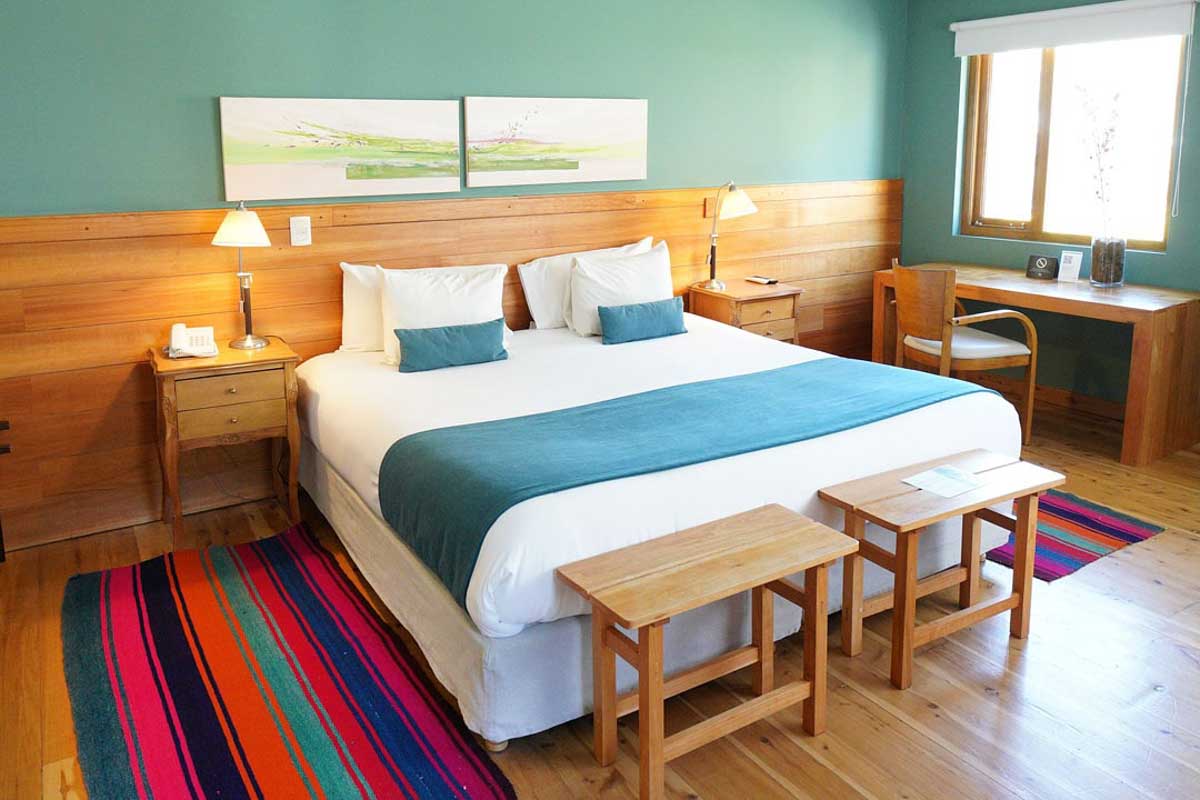
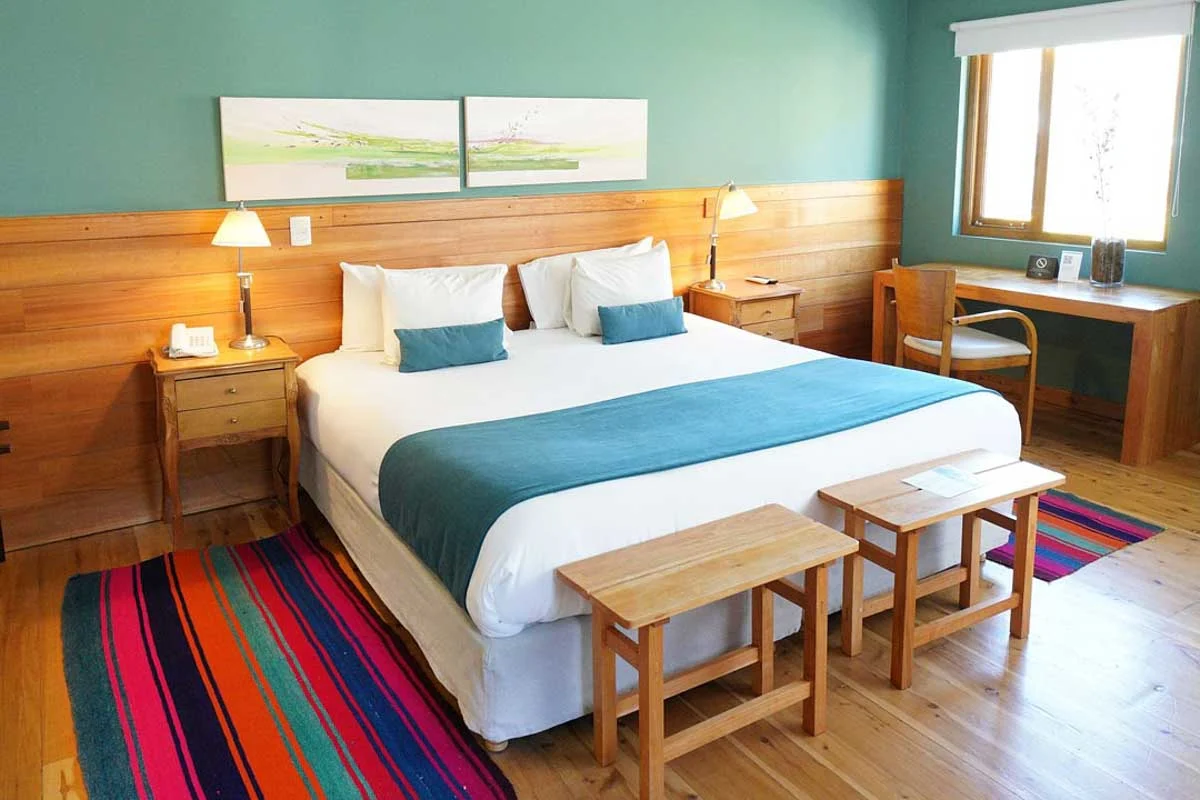
El Chaltén is the ideal base for exploring Argentina’s trekking capital, with world-class trails starting right from town and mountain views from nearly every corner. Whether you prefer a luxurious spa hotel, a cozy mid-range stay, or a budget-friendly hostel, these top picks offer something for every traveler. You’ll spend two nights here, so it’s worth choosing a place that fits your style. If any of these are available for your dates, book early—El Chaltén fills quickly during hiking season!
Luxury – $$$
Just a short walk from Los Glaciares National Park, Destino Sur Hotel & Spa de Montaña offers alpine-style rooms with warm wood furnishings, modern amenities, and sweeping mountain views. Guests can unwind in the indoor pool, sauna, or massage rooms, and enjoy a generous buffet breakfast each morning. The hotel also features a restaurant, bar, gym, and on-site tour desk, with free parking and Wi-Fi included.
Prices typically range from $260–$600 USD per night. Browse options and book this hotel on Booking.com.
Mid-range – $$
Set just steps from El Chaltén’s main commercial area, Posada y Cabañas El Barranco offers cozy rooms with mountain or garden views, plus spacious bungalows with fully equipped kitchens and valley vistas. Guests enjoy free Wi-Fi, a warm lounge with a fireplace, and a generous continental breakfast each morning. The property also features a bar, 24-hour front desk, and laundry services, with the bus station and National Park Visitor Center within walking distance.
Rates typically range from $150–$310 USD per night. Check availability on Booking.com.
Budget – $
A longtime favorite among budget travelers, Rancho Grande Hostel offers ranch-style charm with panoramic views of the Patagonian mountains. Guests can choose between mixed dorms with shared bathrooms or simple private rooms, all featuring free Wi-Fi and bright, welcoming décor. The 24-hour restaurant serves everything from breakfast to late-night meals, and a communal kitchen is available for self-catering.
Single beds in a mixed dorm often start around $34–$40 USD per night. Get the best deals on Booking.com.
Day 13 – Hike the legendary Laguna de los Tres Trail


Today is the big hike of your Patagonia adventure—and one of the most iconic trails in all of Argentina. The trek to Laguna de los Tres brings you to the foot of Mount Fitz Roy, with its jagged granite spires rising dramatically above a turquoise glacial lake. On a clear day, it’s one of the most breathtaking viewpoints in Patagonia and a true highlight of any El Chaltén visit.
This is a full-day hike, typically taking 7.5–9 hours round-trip (though experienced hikers may finish in 6, and slower-paced hikers may take up to 10). The trail gains 882 meters (2,894 feet) of elevation, with the final climb being the steepest and most challenging section—loose gravel, switchbacks, and a steady ascent to the viewpoint. Starting early is essential, both to beat the crowds and to give yourself plenty of time for breaks and photos.
A new entrance fee applies to visitors: ARS 45,000 (~$42–45 USD) for non-nationals, which can be purchased online through the Parque Nacional Los Glaciares website before you begin.
For travelers with extra days or a strong appetite for trekking, you can extend your stay with a 3-day, 2-night circuit that combines Laguna de los Tres with Laguna Torre. This is completely optional—you’ll still get an amazing Chaltén experience by doing today’s hike on its own.
Conquer Laguna de los Tres with a certified guide


If you prefer not to worry about route-finding, permits, timing, or logistics, this full-day guided hike is a fantastic way to experience Laguna de los Tres. The day begins at 8 am with hotel pickup in El Chaltén, followed by a shared transfer to the trailhead. From there, your certified local guide leads the way through lenga forests, across wide-open valleys, and up to some of the best viewpoints in Los Glaciares National Park.
The route covers roughly 12 km (8 miles) each way, with stops at Laguna Capri, known for its stunning reflections of Fitz Roy, and Glaciar Piedras Blancas, a beautiful hanging glacier visible from a side viewpoint. Along the way, your guide shares local history, geology, and wildlife insights that help bring the landscape to life—something you miss when hiking on your own.
The final climb up to Laguna de los Tres is steep, but your guide sets a manageable pace and ensures everyone reaches the viewpoint safely. At the top, you’ll be rewarded with the iconic panorama of Fitz Roy towering above the glacial lake—a moment every Patagonia hiker dreams of.
This tour lasts about 8 hours, typically finishing around 4 pm, though timing varies based on group pace. Lunch and all park taxes are included, and one-way transportation back to town makes logistics effortless.
This guided option is ideal if you want a stress-free, informative, and well-supported way to tackle El Chaltén’s most famous trail.
Guided spots fill quickly during peak season—book ahead here!
Day 14 – Head back to El Calafate
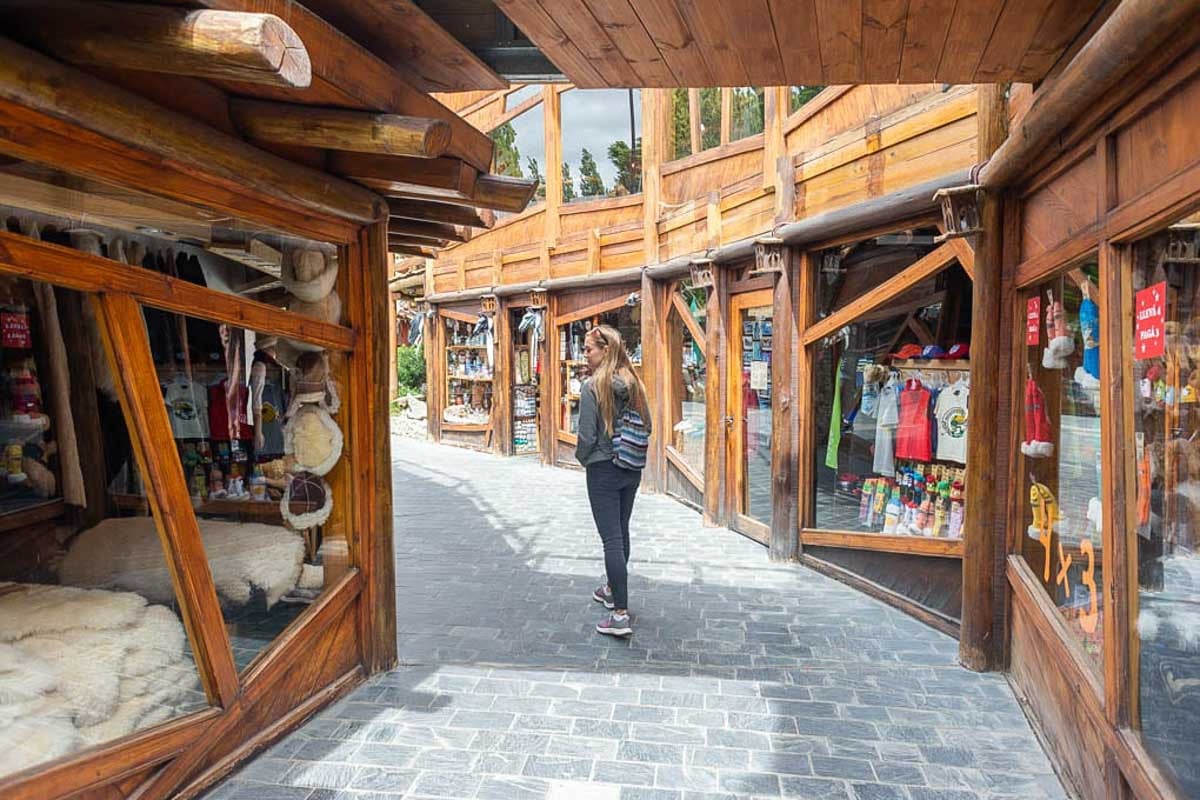
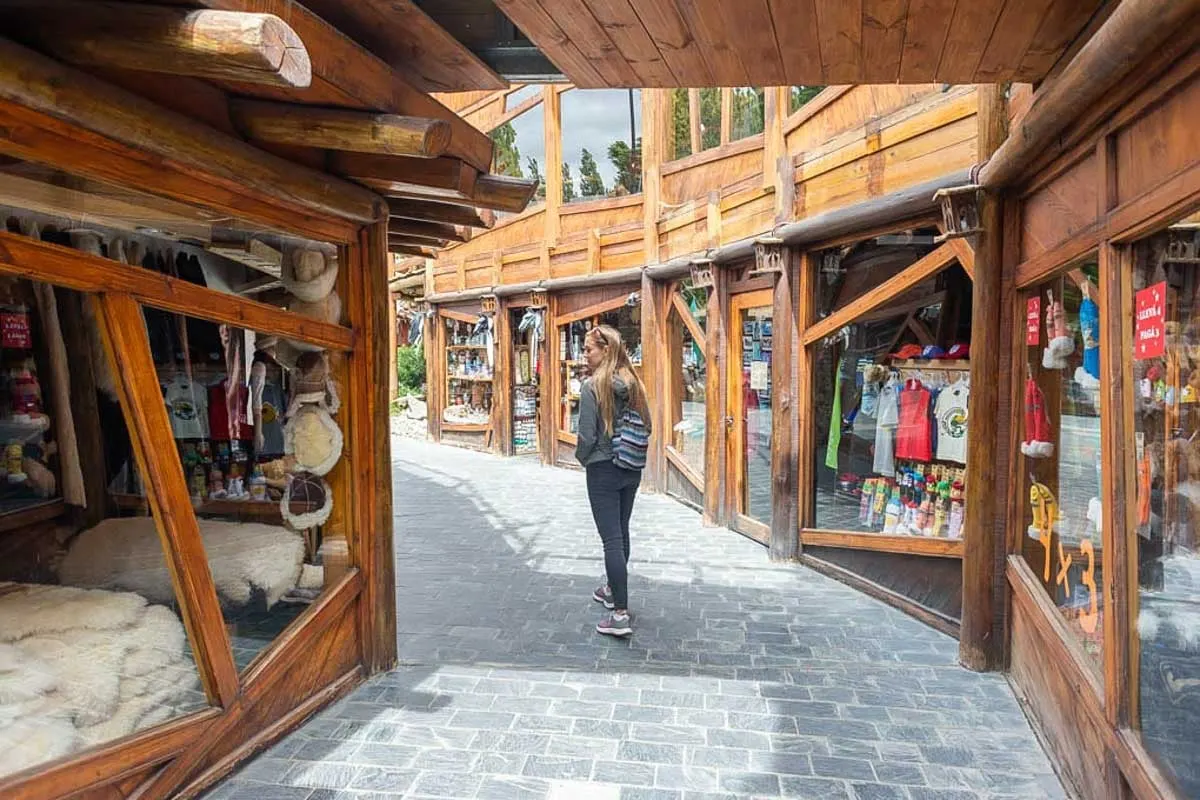
After two unforgettable days of hiking in El Chaltén, it’s time to make your way back to El Calafate. The return bus journey takes around 3 hours, passing the same wide Patagonian landscapes and mountain views you enjoyed on the way in. Buses run year-round with daily service from the same operators—Chaltén Travel, Caltur, and Taqsa/Marga—typically offering both morning and early-afternoon departures. Seats can be limited during high season, so it’s best to book your tickets online in advance to secure your preferred time.
If you’re short on time, these buses often stop at El Calafate Airport before continuing into town. This makes it easy to catch an afternoon flight without needing to return to the bus station first. Otherwise, settle into El Calafate for one last relaxed evening before your journey home or onward travels.
Here are a few great ways to spend your final night in Patagonia:
- Go souvenir shopping – Stop by the El Calafate Artisanal Market on the main street, where local artists sell beautifully crafted handmade goods. Even if you’re not shopping, it’s a fun place to browse.
- Enjoy your last dinner in Patagonia – For comforting homemade dishes and hearty portions, head to Pura Vida, a longtime favorite among travelers.
- Eat delicious ice cream – El Calafate is famous for its artisanal ice cream, and Acuarela is a must-try. Get the Patagonian Chocolate—it’s incredibly rich and worth every bite.
- Pack and prepare – Set aside time to pack your bags and organize everything for tomorrow’s flight. Double-check that your chargers, souvenirs, and warm layers are all tucked away.
Day 15+ – Onward travel


Your Patagonia adventure wraps up today as you fly from El Calafate to either Buenos Aires or Santiago, where most travelers will connect to their international flights home. Since internal flights in Argentina and Chile can shift seasonally, it’s important to double-check schedules before locking in long-haul departures—and always allow a generous buffer between connections.
If you didn’t use your flex days earlier in the itinerary, this is the perfect moment to add an extra night or two in Buenos Aires or Santiago. After so much time in the mountains, unwinding in a vibrant city, with great food, culture, and nightlife, can be the ideal finale to your trip.
If you’re stopping in Buenos Aires, don’t miss this Palermo walking food tour—one of the best ways to dive into Argentina’s culinary scene. You’ll visit several local restaurants, sample classic dishes, sip Malbec (or try fernet), and learn from a passionate local guide. With multiple start times daily and about 3.5 hours of eating, wandering, and exploring, it’s the perfect way to end your journey on a delicious high note.
Planning your Trip to Patagonia


Accommodation in Patagonia
Booking accommodation is one of the biggest aspects of your trip, and we should know as we stay in a new hotel up to 40 times per year! Funny enough, we make 99% of these bookings on one website and that’s Booking.com – and there are a few reasons why we use this site!
Number one is the website is easy to use and sorts accommodation options. That takes the stress out of planning which honestly still affects us and we do it more than not.
Second, is the price guarantee. We have literally booked a hotel months before and then 1 week out found it cheaper (we always do a quick search), and they’ll match that price from anyone’s website including the hotels!
And third, is the Genius loyalty program. If you make a certain amount of bookings per year you get a Genius discount. We are level-two geniuses because we make more than 5 a year. At participating hotels, we get things like free breakfast included, early check-in, and up to 15% off.
You can check out all their accommodation options throughout Patagonia!
Renting a car in Patagonia


We enjoyed a rental car for our second trip to Patagonia – and wow, what a way to travel! But the best part was that we only paid $40 USD per day for a 5-person sedan!
But how? Well if you’re renting a car the cheapest company is Discover Cars. We often get questions from readers asking us if the website is fake because it seems too cheap! The truth is, they are a great company that we actually used for our own rental car.
If you do want to compare prices (and you should) do a quick search on Airport Car Rentals too. They’re another big competitor and each company often has its own deals to offer!
Tours in Patagonia


We love booking our tours on the website Viator! Not only does it make it super easy because you can compare tours all in one place, but it is safe and you can pay in your home currency (so you’ll save on currency conversion fees from your bank!) On top of that, you can check reviews from other travelers so that you know exactly what you are getting.
Most tours on Viator also offer free cancellation up to 24 hours before the tour starts, which we love! Being flexible when we travel is super important to us.
You can browse Viator easily online here.
AIRALO e-SIM Up To 15% Off With Code “DTRAVEL15”
What’s an eSIM?
An eSIM is a digital version of a SIM card. Instead of buying a little plastic chip and swapping it into your phone, you just download it. It connects your phone to a local network in whatever country you’re visiting — no stores, no waiting, and no fiddling with tiny cards.
In simple terms, it’s the easiest way to get data and stay connected while traveling.
We’ve tested a bunch of eSIMs over the years, and after a few frustrating experiences, we’ve found our favorite — Airalo. It’s fast, reliable, and incredibly easy to use. You can set it up in minutes (even my mom managed it solo on her first try!), and the prices are some of the best out there.
💡 Bonus: We’ve got an exclusive 15% discount for our readers. Use the codes:
Thanks for reading!


Exploring the vast Patagonia region is on so many travelers’ bucket lists for a reason! This was one of our greatest travel adventures, and we often reminisce about our time here. There is a lot to prepare, though, so follow this two-week itinerary to take some of the planning off your plate!
If you need help planning more of your travels, check out all of our South America blogs. We have lots of resources to help you plan, whether you’re visiting the continent simply for Patagonia or are exploring further. Here are a few related blogs about our favorite areas and activities to inspire your next adventure. Cheers!
13 Things You Need to Know About Renting a Car in Patagonia
22 Amazing Things to do in Patagonia – Our Patagonia Highlights
Bas Rutten
Thursday 19th of March 2026
Hi, great great tips and tricks! We are leaving in two weeks for Argentina, can you share the drive you did in Patagonia? Thanks so much!
Bailey
Thursday 19th of March 2026
Hi Bas,
Thanks so much — we’re really glad you found the tips helpful! 😊
This is the approximate itinerary we followed in Patagonia, which should give you a good idea of how to plan your route and the main places to include: https://destinationlesstravel.com/best-two-weeks-in-patagonia-itinerary/
Hope that helps, and have an amazing trip to Argentina!✨
Cheers, Bailey